

This blog explains what to study for digital marketing, covering SEO, PPC, social media, content marketing, analytics, email marketing, branding, and automation. It highlights essential skills, learning pathways, and practical strategies needed for long-term digital marketing success.
The digital marketing landscape changes constantly. A strategy that worked perfectly two years ago might fall flat tomorrow. Because algorithms update, new social platforms emerge, and consumer behaviors shift, marketers must continuously adapt. Figuring out exactly what to study for digital marketing can feel overwhelming for beginners and seasoned professionals alike.
A structured learning path is crucial if you want to build a sustainable and successful career in this industry. Without a clear roadmap, it is easy to get lost in a sea of tactics and lose sight of the overarching strategy. Mastering the right mix of technical skills, creative thinking, and analytical abilities will set you apart from the competition.
This guide breaks down exactly what you need to study for digital marketing to become a highly proficient professional. We will explore the core disciplines, foundational marketing knowledge, specialized areas, and the absolute best pathways to acquire these skills. By following this comprehensive breakdown, you can focus your education on the distinct areas that actually drive business growth and revenue.
Core Disciplines of Digital Marketing
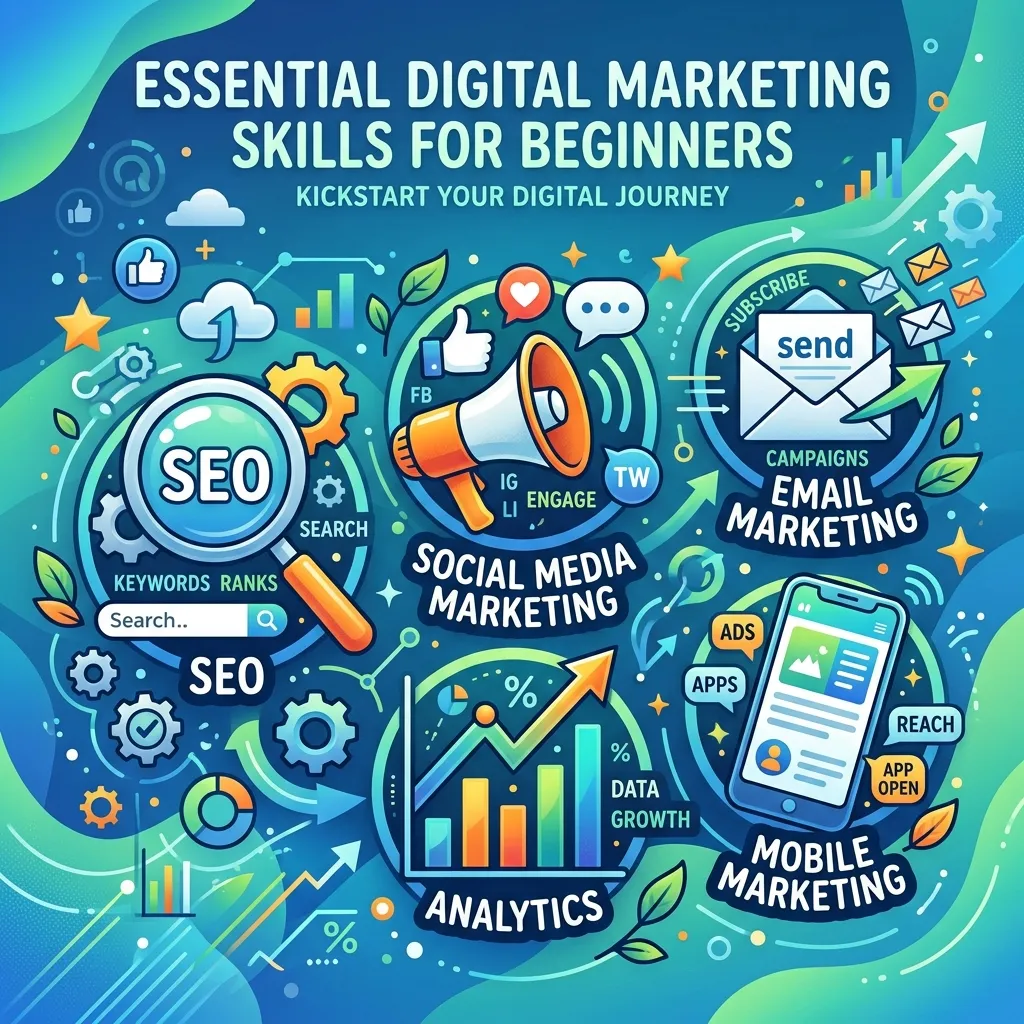
To succeed in digital marketing, you need a firm grasp of several core disciplines. Each of these channels plays a unique role in attracting, engaging, and converting customers. When you decide what to study for digital marketing, these foundational pillars must come first.
Search Engine Optimization (SEO)
SEO is the practice of improving a website to increase its visibility in search engines like Google. Studying SEO requires understanding three main pillars: on-page, off-page, and technical SEO. This organic approach requires patience, but it yields high-intent traffic that converts reliably over time.
Keyword Research and Analysis
Keyword research and analysis form the bedrock of any successful SEO strategy. You need to learn how to identify the exact terms your target audience searches for and understand the deep intent behind those specific queries. Mastering keyword research means you can align your website content with what people actively want to read or buy.
Link Building Strategies
Link building strategies are another critical component you must master. You must study how to acquire high-quality, relevant links from other authoritative websites to boost your domain authority. Earning these backlinks signals to search engines that your content is trustworthy and highly valuable.
Technical SEO Optimization
Technical SEO ensures search engines can easily crawl, index, and understand your site. You need to study website architecture, mobile responsiveness, page speed optimization, and schema markup. If search engine bots cannot access your pages properly, your other optimization efforts will fail to produce results.
Search Engine Marketing (SEM) / Pay-Per-Click (PPC)
While SEO focuses heavily on organic traffic, SEM involves purchasing ads on search engines. When you master seo and sem together, you dominate both the paid and organic search results. Google Ads is the dominant platform, but studying Microsoft Advertising and other niche networks is also highly valuable.
Ad Copywriting and Landing Pages
Ad copywriting and landing page optimization go hand in hand with PPC. You must learn to write compelling ad copy that drives immediate clicks, and design landing pages that convert those clicks into tangible leads or sales. The user experience from the initial ad click to the final landing page form submission must be entirely seamless.
Bid Management
Bid management and budget allocation are critical financial skills. You must study how to set appropriate maximum bids to maximize your return on ad spend without exhausting your daily budget prematurely. Effective bid management ensures you acquire customers profitably.
ROI and Conversion Tracking
ROI tracking for PPC campaigns ensures you are actually making money. Setting up accurate conversion tracking and understanding how to calculate cost per acquisition (CPA) and return on investment (ROI) are absolute non-negotiable skills for modern marketers.
Social Media Marketing (SMM)
Social media marketing involves using platforms like Facebook, Instagram, LinkedIn, and TikTok to connect directly with your target audience. Platform-specific strategies are absolutely necessary because what works on a professional network like LinkedIn will likely fail on a creative platform like TikTok.
Content Creation and Scheduling
Content creation and scheduling are practical, daily skills you will use constantly. Learning how to plan a robust content calendar, create engaging graphics or short-form videos, and use bulk scheduling tools like Hootsuite or Buffer will save you massive amounts of time.
Community Management
Community management and active engagement help build long-term brand loyalty. You should learn how to strategically respond to comments, handle customer service issues publicly with grace, and foster a strong sense of community among your brand followers.
Paid Social Advertising
Paid social media advertising is incredibly powerful due to deeply advanced targeting options. Studying platforms like Meta Ads Manager will teach you how to target specific users based on their granular interests, behaviors, and demographics to drive highly specific business outcomes.
Content Marketing
Content marketing focuses on creating and distributing valuable, relevant content to attract a clearly defined audience. When mapping out what to study for digital marketing, understanding various content formats is the crucial first step. You need to study when to use long-form blog posts, engaging videos, detailed infographics, or targeted podcasts to achieve specific business goals.
Content Strategy Development
Developing a robust content marketing strategy and editorial calendar keeps your efforts highly organized. You must learn how to plan relevant topics that align perfectly with your business objectives and map them out over weeks or months. This strategic approach ensures a consistent publishing cadence that search engines and users both love.
Brand Voice and Storytelling
Storytelling and brand voice humanize your corporate company. Studying how to craft a deeply compelling narrative and maintain a highly consistent tone across all published content pieces helps build immediate trust with your audience.
Content Distribution
Content distribution and promotion ensure your hard work actually gets seen by the right people. Creating great content is only half the battle. You must study how to proactively promote it via email newsletters, social media channels, SEO optimization, and strategic industry partnerships.
Email Marketing
Email remains one of the absolute highest-converting digital marketing channels available today. List building and careful segmentation are foundational skills you must acquire. You need to learn ethical, compliant ways to collect email addresses and how to group specific subscribers based on their unique behaviors or preferences.
Crafting Campaigns
Crafting compelling email campaigns involves a beautiful mix of great persuasive copywriting and clean visual design. You must study how to write catchy subject lines that drive high open rates and body copy that aggressively encourages click-throughs to your website.
Marketing Automation
Marketing automation and structured drip campaigns allow you to scale your communication efforts effortlessly. Learning how to set up complex automated sequences—like a five-part welcome series or dynamic abandoned cart reminders—helps you consistently nurture warm leads while you sleep.
Performance Analysis
A/B testing and performance analysis rigorously refine your approach over time. You should study how to methodically test different isolated variables, like specific subject lines or optimal send times. Analyzing metrics like open rates, click rates, and overall unsubscribe rates dictates your future strategy.
Analytics and Data Interpretation
Data absolutely drives all digital marketing decisions. Google Analytics 4 (GA4) is the current industry standard for website analytics. You must study how to set up web properties properly, navigate the complex interface, and pull highly meaningful reports about specific user behavior.
Key Performance Indicators (KPIs)
Key performance indicators (KPIs) and visual reporting help communicate success to clients or executives. Learn how to explicitly identify which metrics actually matter to the business bottom line and how to present that complex data clearly to non-technical stakeholders.
Data-Driven Decisions
Data-driven decision-making is the ultimate goal of implementing web analytics. You must study how to look at a massive dataset, identify subtle trends or striking anomalies, and adjust your marketing strategy accordingly to maximize growth.
Attribution Modeling
Understanding attribution models helps you properly credit the right marketing channels for generating conversions. Studying different structural models—like first-click, last-click, or complex linear attribution—will give you a significantly clearer picture of your specific customer’s journey.
Foundational Knowledge and Skills
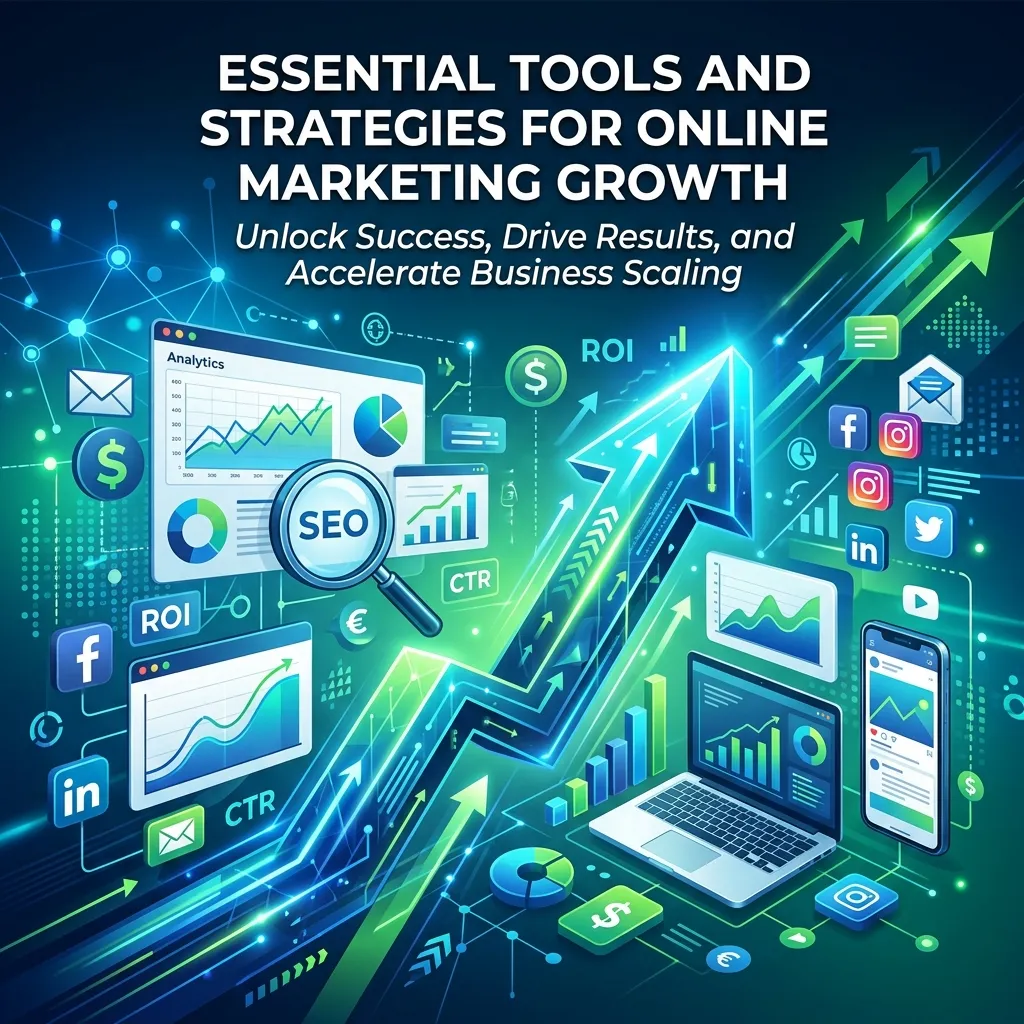
Before you dive deep into specific technical channels, you need a strong, unshakeable grasp of general marketing principles and essential soft skills. Building this foundation makes deciding what to study for digital marketing much easier later on.
Marketing Fundamentals
Market research and consumer behavior teach you exactly why people buy certain products. You need to study deep psychological triggers, historical buying patterns, and how to conduct accurate surveys or focus groups to understand your target audience deeply.
Branding and market positioning dictate how the overall market perceives your company. Learn how to definitively define a unique value proposition and position your brand strategically against tough competitors to stand out in a crowded, noisy marketplace.
Marketing funnels and customer journeys meticulously map out the specific path to purchase. Study the distinct stages of brand awareness, product consideration, and final decision to ensure you are always delivering the right tailored message at the exact right time.
Copywriting and Communication
Persuasive writing is arguably the single most valuable skill in the entire digital marketing industry. Study how to write compelling copy that aggressively grabs attention, builds deep interest, and drives immediate action across various platforms, from short social tweets to massive long-form sales pages.
Understanding target audience language ensures your specific message resonates perfectly. You must actively learn how to research the exact conversational words and phrases your potential customers use to describe their deep problems and desired solutions.
Basic Design Principles
Visual hierarchy and general aesthetics make your marketing materials look highly professional and trustworthy. Study how to accurately use typography, basic color theory, and structural layout to guide the viewer’s eye directly toward your primary call to action.
Using popular design tools is a highly necessary practical skill. Learning the fundamental basics of Canva or Adobe Photoshop allows you to quickly create or edit marketing graphics without constantly relying on a dedicated, expensive graphic designer.
Project Management
Organization and tight workflow management keep complex marketing campaigns on track. Study how to break massive strategic projects down into highly manageable tasks, set incredibly realistic deadlines, and prioritize your daily workload effectively.
Collaboration tools strongly facilitate remote teamwork. Familiarize yourself deeply with project platforms like Asana, Trello, or Slack to communicate clearly with team members and internal stakeholders efficiently.
Specialized Areas and Advanced Topics
Once you have mastered the core basics, you can expand your professional knowledge into specialized areas that offer entirely unique opportunities for career growth.
Conversion Rate Optimization (CRO)
Conversion Rate Optimization focuses strictly on increasing the percentage of website visitors who take a desired action, like purchasing or filling out a form. Study deep user experience (UX) principles, heat mapping, and how to properly run statistical A/B tests on high-traffic landing pages.
Affiliate Marketing
Affiliate marketing involves earning a financial commission by aggressively promoting other people’s or companies’ products. Learn how to effectively set up affiliate tracking programs, recruit high-performing partners, and carefully track referral sales to maintain profitability.
Influencer Marketing
Influencer marketing leverages popular individuals with massively large followings to authentically promote your brand. Study how to accurately identify the right niche influencers, formally negotiate binding contracts, and strictly measure the financial impact of their sponsored campaigns.
Video Marketing
Video marketing is currently dominating global content consumption. Learn the fundamental basics of video production, engaging scripting, and algorithm optimization for dominant platforms like YouTube and TikTok.
Mobile Marketing
Mobile marketing targets users specifically on their personal smartphones. Study text-based SMS marketing, app store optimization (ASO) for software visibility, and strict responsive web design principles.
E-commerce Marketing
E-commerce marketing is highly specific to the online retail industry. Learn about complex product feed optimization, dynamic Google shopping campaigns, and aggressive cart abandonment recovery strategies.
Cross-Channel Automation
Marketing automation beyond basic email involves deeply integrating multiple software systems. Study how to cleanly connect your customer relationship management (CRM) software, email platform, and website analytics to create complex, highly personalized customer experiences.
Developing a Cohesive Growth Strategy
Learning individual marketing tactics is helpful, but true success comes from weaving them together. You must study how SEO, paid ads, and social media interact to support a broader business objective. Integrating these elements prevents your marketing efforts from operating in isolated silos.
A holistic approach requires aligning your brand messaging across every digital touchpoint. For a comprehensive look at how to merge branding with tactical execution, you can explore the principles found in marketing and branding growth strategies to build a unified roadmap. By connecting your technical skills with strong foundational branding, you create campaigns that capture attention and drive sustainable, long-term revenue.
Learning Pathways and Resources
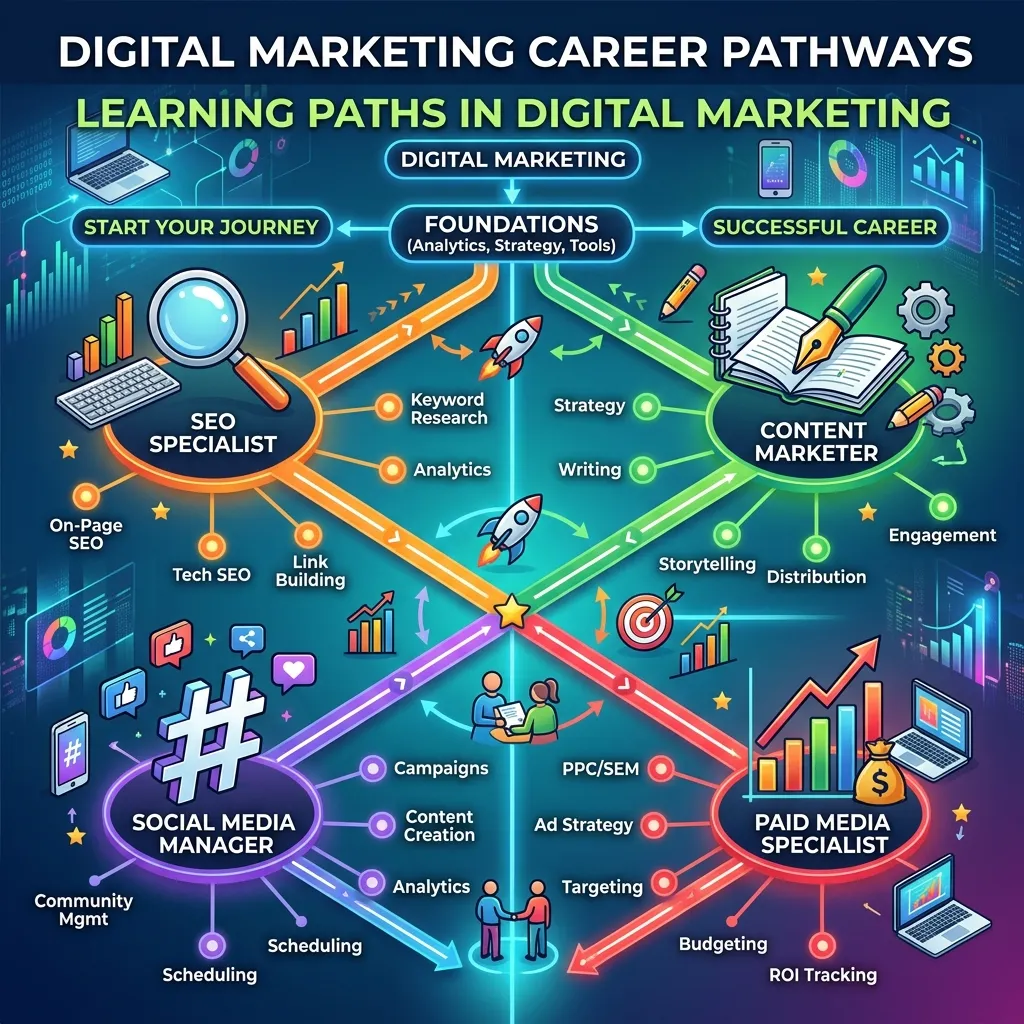
You can acquire necessary digital marketing skills through a wide variety of educational formats. The absolute best approach usually involves a healthy, balanced mix of several different learning methods.
- Online Courses and Certifications: These offer highly structured, up-to-date knowledge. Look for a recognized digital marketing course from organizations like Google, HubSpot, SEMrush, and Moz to build a remarkably strong technical foundation quickly.
- University Programs and Degrees: These structured environments provide a much broader, more academic perspective on overall marketing strategy and deep business management. These are excellent for those strictly looking for comprehensive, formal education.
- Books and Industry Publications: These texts offer incredibly deep insights into specific timeless strategies and the actual history of marketing. Reading foundational texts helps you thoroughly understand the timeless psychological principles behind the modern digital tactics.
- Blogs, Podcasts, and Webinars: These formats are absolutely perfect for staying current. Subscribe to industry-leading publications to consume bite-sized, highly timely information during your morning commute or evening downtime.
- Practical Experience: This is where real, permanent learning happens. Seek out entry-level internships, volunteer for local non-profits, or start your own personal projects to test your new skills in the real world.
- Networking and Mentorship: These relationships rapidly accelerate your career growth. Connect actively with other professionals on LinkedIn, attend major industry conferences, and find a mentor who can offer distinct guidance based on their vast experience.
Comparing Educational Pathways
|
Pathway Type |
Primary Benefit |
Ideal Candidate |
Time Investment |
|---|---|---|---|
|
Online Certifications |
Fast, specialized technical skill acquisition. |
Career transitioners wanting quick portfolio updates. |
Low to Medium |
|
University Degrees |
Deep foundational business theory and networking. |
High school graduates or corporate management seekers. |
Very High |
|
Self-Taught (Blogs/Video) |
Entirely free and highly flexible pacing. |
Motivated self-starters with minimal budgets. |
Variable |
|
Agency Internships |
Hands-on, real-world campaign execution. |
Junior marketers needing verifiable work experience. |
Medium to High |
Staying Current in a Dynamic Field
Your digital marketing education never truly ends. A continuous learning mindset is absolutely vital to your survival in this industry. You must accept that established strategies will change rapidly and be entirely willing to unlearn old, outdated habits.
Following brilliant industry leaders and tracking global trends keeps you well ahead of the curve. Pay close attention to major algorithmic search updates, exciting new technology releases like generative AI tools, and massive shifts in global consumer privacy laws.
Experimentation and rapid adaptation are your absolute best defense against career stagnation. Always allocate a small portion of your weekly time and marketing budget to strictly test new social platforms and unconventional creative ideas. If an experiment works well, scale it aggressively; if it fails quickly, learn from the data and move on.
Frequently Asked Questions (FAQ)
What is the very first thing I should study for digital marketing?
You should begin by studying foundational marketing principles and consumer behavior before touching any software. Understanding exactly why people make purchasing decisions informs every technical channel you will use later. Once you grasp the psychology, move directly into basic SEO and web analytics.
Do I need a college degree to succeed in this field?
A traditional college degree is absolutely not required to build a highly successful career in digital marketing. Employers heavily favor verifiable practical experience, active certifications, and a strong portfolio of successful campaigns over formal academic credentials. Focus entirely on building tangible, measurable skills.
How long does it take to learn digital marketing?
You can grasp the fundamental basics of digital marketing in three to six months of highly dedicated study. However, mastering specific complex channels like technical SEO or advanced paid advertising takes several years of hands-on practice. The learning process never truly stops due to constant industry changes.
Is coding necessary for a digital marketing career?
You do not need to be a software engineer, but understanding basic HTML and CSS is incredibly helpful for modern marketers. Knowing minor code allows you to make quick formatting changes to landing pages and emails without waiting for a developer. It gives you a massive advantage in technical SEO.
Which digital marketing channel is the most profitable?
Profitability varies wildly by specific industry, but email marketing consistently boasts the highest overall return on investment across most sectors. Because you actually own your email subscriber list, you do not have to pay advertising networks repeatedly to reach your exact audience.
Are free digital marketing courses actually worth my time?
Yes, free courses provided directly by major platforms like Google, HubSpot, and Meta are incredibly valuable and highly respected by employers. They provide exactly the same foundational knowledge as many expensive paid boot camps. Start with these free resources before spending any money.
How do I practice my skills without having a client?
The absolute best way to practice is by starting your own personal website, blog, or dedicated social media channel from scratch. You can safely run small ad campaigns, practice optimizing your own articles for search engines, and track your personal analytics without risking a client’s budget.
What is the hardest part of learning digital marketing?
The most difficult challenge is simply keeping up with the relentless, incredibly fast pace of change across all major platforms. Algorithms update constantly, meaning a tactic you mastered last year might be completely obsolete today. You must develop a strong habit of continuous, daily reading and adaptation.
Should I specialize in one area or learn everything?
It is highly recommended to become a “T-shaped” marketer, meaning you possess a broad understanding of all core disciplines but specialize deeply in one or two specific areas. This allows you to collaborate effectively with entire teams while bringing highly specialized, expert value to your specific role.
How important is data analysis in modern marketing?
Data analysis is arguably the most critical skill a modern marketer can possess today. Without the ability to accurately read data and interpret analytics, you are merely guessing at what works based on feelings. Data strictly proves your value and directly guides your future strategic decisions.
Your Next Steps in Digital Marketing
Studying for a career in digital marketing requires a beautiful blend of broad strategic understanding and deep technical execution. By actively focusing on core disciplines like SEO, PPC, and developing a strong content marketing strategy, you build a robust, highly competitive skill set. When you back those technical skills up with solid foundational abilities like persuasive copywriting and rigorous data analysis, you become truly invaluable to any organization.
Remember the immense importance of hands-on, practical application. Reading marketing theory only gets you so far in this industry. The absolute fastest way to learn is by launching a live campaign, critically analyzing the resulting data, and making immediate strategic improvements based on those numbers.
Future career prospects in digital marketing remain incredibly bright for those entirely willing to put in the hard work and remain adaptable. Choose one or two specific core disciplines to focus on first, grab a highly reputable online certification, and start actively applying what you learn today. The vast digital landscape is waiting for your unique impact.