
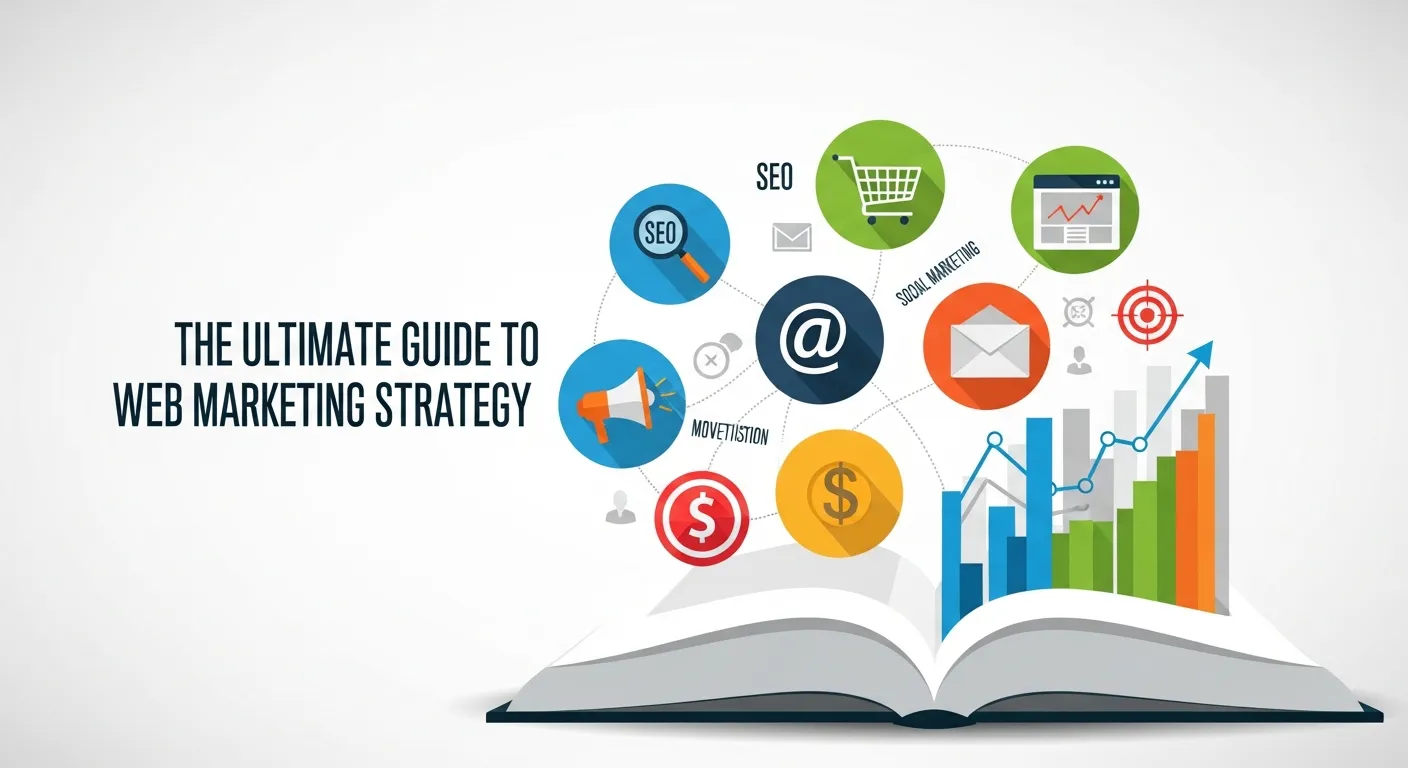
In today’s hyper-connected marketplace, simply having a website is just the starting point—true success requires a thoughtful, integrated web marketing plan. With billions of pages competing for attention, proactive web marketing advice is critical to cutting through the noise and capturing your ideal customer’s interest.
Modern web marketing is much more than publishing a few blog posts, running search ads, or creating a business page on social media. It’s a dynamic ecosystem that draws on a wide array of digital marketing strategies: search engine optimization, compelling content creation, social media engagement, paid advertising, email marketing, and data analytics. Each of these elements must work together seamlessly to create a holistic, effective approach that guides potential customers from awareness to conversion.
Web marketing advice helps you coordinate these disparate channels, ensuring every campaign is pulling in the same direction—attracting high-quality traffic, building deep engagement, and driving predictable business growth. As consumer behavior shifts across search engines, review sites, forums, and social apps, your business must be present and compelling wherever your audience is searching, comparing, and making decisions.
The right web marketing advice isn’t just about keeping up; it’s about getting ahead. By combining proven website traffic growth techniques, practical online business promotion tips, and internet marketing best practices, you set your brand up for long-term, scalable success. This guide will break down the art and science of web marketing so you can confidently build a strategy that stands out in a crowded digital world and achieves real business impact.
Web marketing covers all the digital tactics—SEO, content marketing, social media, email, and paid advertising—that promote your brand and offerings across the internet. The right approach integrates these channels, using analytics to optimize outcomes and stay ahead of ever-changing trends.
Modern businesses must be visible wherever prospects search, research, and connect, from Google to social platforms and email inboxes. In this guide, you’ll find concise, practical web marketing advice on building traffic, improving engagement, and driving conversions.
Pillars of a Strong Digital Strategy
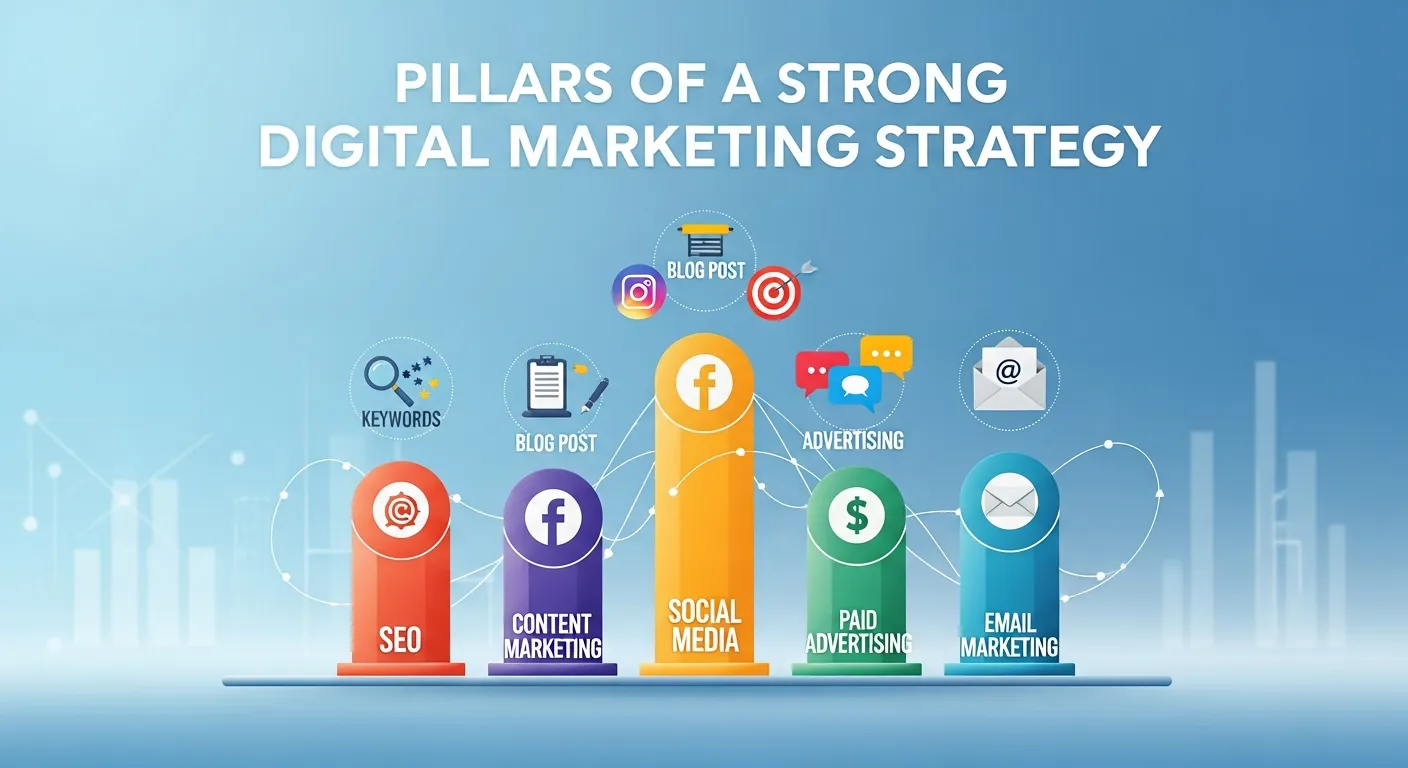
Effective web marketing advice begins by mastering the key channels—core digital strategy pillars—that build online presence and drive results. These pillars serve as the backbone of your marketing engine, influencing every aspect of how you attract, engage, and convert customers.
Search Engine Optimization (SEO)
SEO is foundational for website visibility and organic growth. By optimizing your site for the keywords your audience actually searches, you generate free, consistent traffic that compounds over time.
- Keyword Research: This is more than plugging terms into a tool—identify niche phrases, trending long-tail keywords, and location-based search terms that match buyer intent. For example, a restaurant should target keywords like “best Italian food in [city].”
- On-Page SEO: Place keywords naturally in titles, meta tags, headings, image names, and throughout the content. Each page should have a unique meta title and description that draws clicks from the search results.
- Technical SEO: Behind-the-scenes factors matter. Ensure your website loads in under three seconds, is fully mobile responsive, uses structured data for rich results, and has a logical site structure so search bots can crawl and index pages efficiently.
- Authority Building: Backlinks from reputable sources act as digital votes of confidence. High-quality outreach, guest posts, and partnerships with local organizations or authoritative industry sites can boost your ranking and credibility.
Example: An HVAC service provider can publish detailed repair guides, optimize for “emergency AC repair [city],” and build local backlinks via sponsorships or partnerships.
Content Marketing
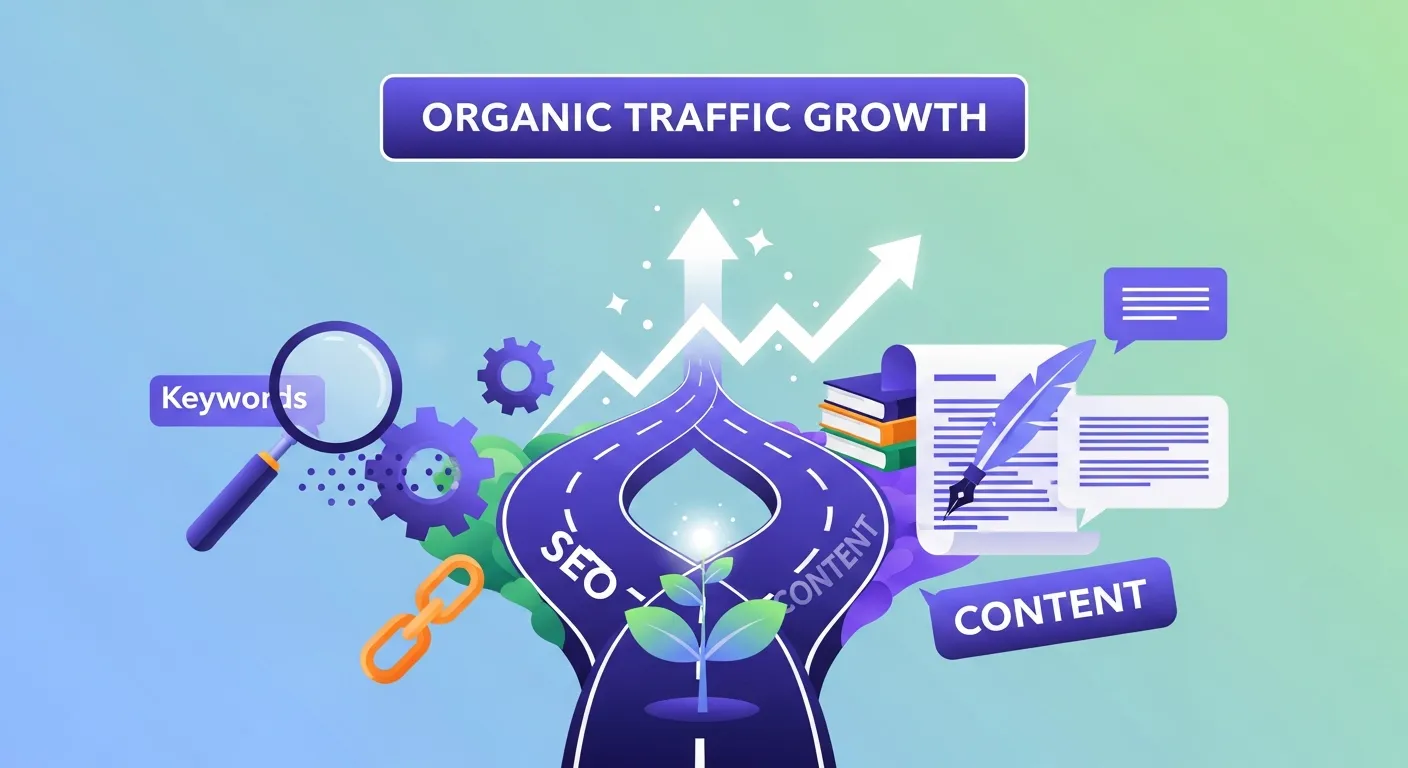
Content is both the magnet and the nurturing tool in digital marketing. It not only draws in visitors but also answers their questions, builds trust, and leads them through the sales funnel. The best web marketing advice is to prioritize relevance and value at every stage:
- Know Your Audience: Conduct audience research to create buyer personas. Map out their challenges, desires, and common search queries.
- Diversify Content: Don’t rely solely on blog posts; use how-to videos, live streams, downloadable guides, podcasts, infographics, quizzes, and webinars. Diversification drives broader engagement and caters to different learning styles.
- Content Strategy: Develop an editorial calendar anchored on the customer journey. Anticipate questions at every stage and use cluster content models to demonstrate expertise on core topics.
- Promote Actively: Leverage your content across newsletters, social media shares, industry forums, and even paid advertising. Amplifying reach is as crucial as content creation.
- Track Results and Iterate: Use analytics to see which topics, formats, and distribution channels yield the most traffic and conversions. Double down on what works and refine or remove underperforming pieces.
Read this beginner’s guide to content strategy for more insights on mapping content to audience needs.
Social Media Engagement
Social media has evolved from a branding channel to a direct sales and service platform. It enables real-time connection and fosters two-way conversations between businesses and customers.
- Choose Relevant Platforms: Each social platform has a unique culture. LinkedIn excels for B2B, corporate announcements, and recruiting; Instagram, Pinterest, and TikTok cultivate lifestyle, e-commerce, and creative communities; Facebook is broad but skews to certain age groups.
- Share Engaging Content: Balance business promotions with valuable, shareable resources—quick tips, community spotlights, live Q&As, behind-the-scenes stories, and user-generated content. Video content often receives the highest engagement and reach.
- Consistent Presence: Timely responses to mentions and comments show your brand is attentive and willing to help. Implement a content schedule for regular posting so your audience knows what to expect.
- Social Listening: Monitor brand mentions, competitor activity, and trending topics. Use insights to inform future campaigns and content enhancements.
Example: A fashion retailer might host Instagram Live styling sessions or share customer-submitted looks using the brand’s hashtag.
Email Marketing
Email remains a powerhouse pillar for nurturing leads and increasing lifetime customer value. It offers direct, personalized communication, which algorithms or external platforms can’t disrupt.
- Grow Your List: Drive opt-ins through lead magnets (guides, checklists, exclusive discounts), exit-intent popups, and in-person events. Always practice permission-based marketing.
- Personalize and Segment: Use behavioral triggers, purchase history, and customer segments to tailor your messaging—like sending targeted product recommendations or birthday offers.
- Lifecycle Campaigns: Set up welcome sequences, abandoned cart reminders, post-purchase thank yous, and re-engagement flows to move subscribers through the funnel.
- Test and Refine: Regularly A/B test subject lines, offer types, email layouts, and send times. Use results to optimize open rates and conversions.
Example: An online bookstore could send segmented recommendations based on past genres purchased and offer early access to new releases.
Paid Advertising (PPC)
Combining organic with paid advertising ensures your brand appears where customers are actively searching or browsing. PPC campaigns deliver measurable, quick wins and complement long-term growth.
- Google Ads: Bid on transactional (“buy now”) keywords and local queries to show up when intent is highest, such as “plumber near me.”
- Social Ads: Target users by interests, behaviors, and lookalike audiences on platforms like Facebook, Instagram, LinkedIn, or Twitter. Use carousel ads, sponsored posts, or video ads depending upon your goals.
- Retargeting Campaigns: Automatically show ads to users who visited your site but didn’t convert, gently nudging them to return and complete a purchase or inquiry.
- Budget Strategy: Allocate spending based on ROI, adjusting campaigns to prioritize top-converting products and audiences.
Example: A subscription box company can run search ads during gift-giving seasons and use retargeting to capture cart abandoners.
Analytics and Measurement
A data-driven mindset is critical for making sound marketing decisions and maximizing the impact of your strategies.
- Define KPIs: Determine which metrics align with business goals—such as cost per acquisition (CPA), bounce rate, conversion rate, retention rate, and customer lifetime value (CLV).
- Track Progress: Set up Google Analytics, Facebook Pixel, and other platform-specific tags to capture user behavior and campaign performance automatically.
- Dashboards and Reports: Use dashboards to monitor real-time results, monthly trends, and year-over-year growth, making it easy to spot issues and capitalize on positive shifts.
- Iterate and Optimize: Routinely test website elements, ad copy, landing pages, and email content, using analytics to improve outcomes.
Table: Digital Strategy Pillars at a Glance
|
Pillar |
Purpose |
Key Tactics |
Example |
|---|---|---|---|
|
SEO |
Organic visibility & traffic |
Keyword research, on-page & technical SEO |
Local bakery ranking for “best cupcakes [city]” |
|
Content Marketing |
Build trust, educate, convert |
Diverse formats, promotion, analytics |
Tutorials, guides, blogs, and video demos |
|
Social Media |
Grow reach, foster community |
Platform targeting, social listening |
Q&A sessions, UGC campaigns, Instagram stories |
|
Email Marketing |
Nurture leads & increase sales |
Segmentation, automation, A/B testing |
Welcome flows, product alerts, win-back emails |
|
Paid Advertising (PPC) |
Capture high-intent traffic |
Search ads, retargeting, budget allocation |
Search, display, and dynamic social ads |
|
Analytics & Measurement |
Optimize strategy, ROI focus |
KPI tracking, dashboards, split-testing |
Reviewing conversion rates, testing new CTAs |
Understanding and implementing each of these web marketing advice pillars—customized to your business model and customer journey—is the key to achieving steady, measurable online growth. Each strategy complements the others, creating a well-rounded presence that’s visible, engaging, and profitable.
Search Engine Optimization (SEO)
SEO is foundational for website visibility. By optimizing for the keywords your audience searches, you generate free, consistent traffic. To build a truly effective SEO engine, go beyond the basics and implement strategies that leading brands use for long-term success:
- Comprehensive Keyword Research: Look for both high-volume and highly-targeted long-tail keywords that demonstrate strong user intent. Use tools like SEMrush, Moz, or Ahrefs to uncover competitor keywords and recurring search questions. Regularly update your keyword lists based on seasonality and trends.
- Content Depth and Topical Authority: Develop pillar pages that provide exhaustive coverage of your core topics, supported by a network of cluster content and internal links. Think of a financial advisor publishing a comprehensive “Retirement Planning Guide” with supporting blogs on IRAs, 401(k)s, and annuity comparisons all interlinked.
- On-Page SEO: Place keywords naturally in titles, headings, meta descriptions, and throughout the content. But also optimize images with alt text, create readable URLs, add FAQ sections with schema markup, and ensure logical internal links that guide users deeper into your site.
- Technical SEO: Make your site as accessible as possible. Enable SSL for security, create and submit XML sitemaps, use robots.txt appropriately, fix 404 errors, and minimize redirect chains. Implement lazy loading for images to improve mobile performance and remove unnecessary plugins or scripts that slow pages down.
- Mobile Optimization: With Google’s mobile-first indexing, responsive design and fast mobile load times are mandatory. Test your site with Google’s Mobile-Friendly Test and Core Web Vitals reports.
- Authority Building: Earn backlinks from reputable sites to boost your ranking and credibility. Pursue guest blogging, collaborate with relevant local organizations, or participate in digital PR to get featured on news outlets or industry lists.
- Structured Data and Rich Snippets: Implement schema markup to help Google index your products, reviews, recipes, events, or FAQ sections. This increases your chances of obtaining rich results that improve click-through rates.
- Local SEO: For location-based businesses, optimize your Google Business Profile, encourage customer reviews, and create pages addressing local search queries and “near me” intent.
Examples of Successful SEO Practices:
- E-commerce: An online outdoor gear retailer optimized category pages for “men’s waterproof hiking boots,” structured product information with rich schema, and published extensive buying guides. This boosted organic traffic 120% in one year.
- Service Business: A local dentist regularly updated their blog with oral health tips, earned backlinks from local medical directories, and gathered positive Google reviews. This propelled them to the top three search spots for “dentist in [city].”
- B2B SaaS: A software company built in-depth resource hubs around workflow automation topics, leveraged topic clusters, and secured guest post placements on tech industry sites, resulting in a steady rise in both rankings and qualified leads.
By combining these advanced SEO strategies with ongoing analysis and iteration, your website will steadily climb search rankings, outpace competitors, and earn the trust of both users and search engines.
- Keyword Research: Identify target phrases with strong search volume, including long-tail and location-based terms.
- On-Page SEO: Incorporate keywords naturally in titles, headings, meta descriptions, and content.
- Technical SEO: Ensure your site loads quickly, is mobile-friendly, and uses clean, crawlable code.
- Authority Building: Earn backlinks from reputable sites to boost your ranking and credibility.
Example: A bakery targeting “cupcakes in [city]” should optimize local pages and earn links from local review blogs.
Content Marketing
Content attracts visitors, answers their questions, and builds trust. The best web marketing advice is to focus on your audience’s needs and deliver consistent value across multiple formats and touchpoints:
- Know Your Audience: Develop detailed buyer personas and understand their goals, challenges, and preferred content types. Example: A fitness brand might target beginners with “how to start” guides, while addressing advanced users with nutrition webinars and in-depth video tutorials.
- Diversify Content: Go beyond just blogs—produce interactive quizzes, customer success stories, detailed case studies, webinars, live Q&A sessions, podcasts, and even virtual events. Example: A SaaS company could offer a downloadable onboarding checklist, host monthly live demos, and publish user case studies to showcase solutions in action.
- User-Generated Content: Engage your audience by encouraging them to submit reviews, testimonials, or share social posts using your branded hashtag. Reposting this user-created content builds authenticity and strengthens community (e.g., a fashion retailer featuring customer outfits on their Instagram feed).
- Sequence and Series: Keep users coming back by building serial content such as weekly video tips, multi-part blog series, or email learning challenges. Example: An agency might offer a six-week “Website Traffic Bootcamp” via email, with new tips and checklists delivered each week.
- Repurpose and Refresh: Turn an in-depth webinar into a series of blog posts, short video clips for social media, an infographic, and a downloadable PDF guide. Repurposing maximizes reach and appeals to a wider variety of learning styles.
- Promote Actively: Share content in newsletters, on social media, via strategic industry forums, and through influencer partnerships. Collaborate on guest posts or co-branded webinars to reach new audiences. Example: A financial advisor partners with a tax professional for a joint webinar series.
- Feedback Loops: Use polls and surveys to gather content ideas directly from your audience. Highlight frequently asked questions in knowledge base articles or video explainers.
- Track Results: Use analytics to measure what topics, formats, and distribution channels bring the most traffic and engagement. Double down on high-performing strategies, and don’t hesitate to revise or retire underperforming content.
Read this beginner’s guide to content strategy for more. - Know Your Audience: Develop buyer personas and clear topics that address pain points.
- Diversify Content: Use blogs, videos, infographics, and downloadable guides to educate and engage.
- Promote Actively: Share content in newsletters, on social media, and via partnerships.
- Track Results: Use analytics to track engagement and refine content topics.
Read this beginner’s guide to content strategy for more.
Social Media Engagement
Social media engagement has become a cornerstone of modern web marketing advice, empowering brands to build relationships, boost visibility, and drive real business results across a range of platforms. Each channel offers unique opportunities and calls for tailored digital marketing strategies:
- Choose Relevant Platforms: Start by identifying where your audience interacts most. LinkedIn is essential for B2B companies, professional networking, and sharing in-depth thought leadership articles. Instagram and Pinterest thrive on lifestyle visuals, brand storytelling, influencer collaborations, and creative campaigns. Facebook delivers broad reach and community building, while Twitter excels at real-time updates, news, and industry conversations. Don’t overlook TikTok for creative video content and viral challenges, Snapchat for connecting with younger audiences, or YouTube for in-depth tutorials and product reviews.
- Share Engaging Content: Move beyond basic posts—host Instagram Live Q&A sessions, launch hashtag challenges on TikTok to inspire user-generated content, or run polls and surveys on LinkedIn or Facebook to spark two-way discussions. Share educational “micro tips” via short-form videos, showcase behind-the-scenes clips of your team, leverage trending sounds and memes, and celebrate customer milestones. Adapting content formats to each platform—such as Stories, Reels, or YouTube Shorts—maximizes reach and engagement.
- Consistent Presence: Maintain a regular publishing schedule using planning tools or social media calendars. Respond promptly to comments, direct messages, and brand mentions to show attentiveness and foster stronger community bonds. Feature reviews and testimonials across your profiles to build trust.
- Leverage Social Listening and Analytics: Monitor brand mentions, competitor activities, and trending industry keywords with social listening tools. Analyze engagement metrics—likes, shares, saves, mentions, and click-through rates—to determine which content types and platforms deliver the best ROI. Use these insights to refine your approach and quickly capitalize on new opportunities.
- Influencer Collaborations: Partner with influencers or micro-creators who genuinely align with your brand values. Co-create campaigns, product launches, or takeover events to broaden your reach and tap into trusted voices.
- Group and Community Participation: Join or create Facebook Groups, Reddit threads, Discord channels, or LinkedIn Groups relevant to your niche. Share insights, answer questions, and establish your brand as a helpful resource—not just a promoter.
- Paid Social Tactics: Leverage native ad formats—such as Instagram Sponsored Posts, Facebook Lead Ads, Pinterest Promoted Pins, or LinkedIn Sponsored Content—to reach finely targeted demographics. Combine organic posts with paid campaigns to maximize exposure, particularly when launching new offers or entering new markets.
- Brand Building Through Storytelling: Use platform-native features like Instagram Stories Highlights, Twitter Fleets, or Snapchat Stories to share ongoing company narratives, brand missions, and customer success stories. Consistently communicating your tone, visuals, and values strengthens brand recall and loyalty.
By diversifying your tactics and maintaining an authentic, interactive presence across major social channels, you position your business at the forefront of your audience’s digital journey. Implementing this robust social media engagement plan ensures your brand remains visible, approachable, and memorable amid the ever-evolving world of web marketing advice.
- Choose Relevant Platforms: Focus on channels where your audience spends time (e.g., LinkedIn for B2B, Instagram for lifestyle brands).
- Share Engaging Content: Post educational, aspirational, and interactive content, not just promotions.
- Consistent Presence: Respond quickly to comments and foster a sense of community.
Email Marketing
Email is a direct, high-ROI channel for nurturing leads and driving sales:
- Grow Your List: Offer incentives (like discounts or guides) in exchange for signups. Run giveaways, host webinars, or use pop-ups with engaging calls to action to accelerate subscriber growth.
- Personalize and Segment: Tailor messages to groups based on behavior and preferences. Send welcome emails, product recommendations, or birthday offers that make each customer feel valued.
- Automated Campaigns: Set up drip campaigns for new leads or onboarding series for new customers. For example, an online course creator might deliver a series of lesson previews to keep subscribers engaged until purchase.
- Lead Nurturing Sequences: Use informative content, educational tips, and testimonials over a series of emails to move prospects down the funnel before making a direct sales offer.
- Reactivation and Loyalty: Send win-back campaigns to dormant subscribers, and reward repeat buyers with exclusive offers. A fashion retailer, for instance, may send personalized early access to new collections or loyalty point reminders.
- Test and Refine: Run A/B tests on subject lines and CTAs for better performance. Analyze open rates, click-throughs, and conversions to optimize timing and content.
- Real-World Example: A SaaS platform could use segmented onboarding emails to guide users through setup, highlight advanced features, and offer case studies, increasing activation and upsell rates.
- Behavior Triggers: Send cart abandonment reminders to recover lost sales, post-purchase thank-yous to build goodwill, or feedback requests to improve your product.
- Interactive Content: Enhance engagement with polls, surveys, and clickable product carousels within your emails, encouraging direct interaction and richer data for future targeting.
By leveraging these strategies, email marketing not only retains your audience’s attention but also builds deeper relationships and reliably drives conversions throughout the customer lifecycle.
- Grow Your List: Offer incentives (like discounts or guides) in exchange for signups.
- Personalize and Segment: Tailor messages to groups based on behavior and preferences.
- Test and Refine: Run A/B tests on subject lines and CTAs for better performance.
Paid Advertising (PPC)
Paid advertising plays a powerful role in any well-rounded web marketing advice playbook. By investing in carefully targeted campaigns, businesses can reach high-intent prospects exactly when they’re most likely to convert. To maximize results, consider these proven tactics:
- Google Search Ads: Bid on bottom-funnel and branded keywords to capture users actively searching for your products or services. Combine broad match and exact match strategies to expand reach while maintaining relevance. For example, a local dental office running ads for “emergency dentist near me” often fills same-day appointments.
- Google Display Network: Show visually compelling ads across millions of sites and apps. Use retargeting banners to remind website visitors about abandoned carts or recently viewed items—a tactic that can recover significant lost revenue for e-commerce brands.
- Social Media Paid Ads: Leverage interest, demographic, and behavior targeting to deliver sponsored posts and stories on platforms like Facebook, Instagram, LinkedIn, and TikTok. For example, a fitness brand can target new moms with postnatal workout classes, while a B2B SaaS company might reach C-level executives with LinkedIn InMail ads.
- Retargeting and Remarketing: Use pixel-based tracking to serve personalized ads to users who didn’t convert the first time. This tactic is highly effective—statistics show retargeted visitors are more likely to return and complete a purchase compared to cold prospects.
- Shopping and Product Listing Ads: For e-commerce, Google Shopping and visual platforms like Instagram allow you to showcase actual product images, with price and quick “Buy Now” options. This visually rich format shortens the path to purchase.
- YouTube Video Ads: Run pre-roll (before video), mid-roll, or bumper ads to raise awareness or drive conversions. A successful YouTube campaign example is a tech company running explainer videos targeted at viewers of competitor product reviews or industry tutorials.
- Geo-targeted and Local Ads: Restaurants, events, and service-area businesses can use geofencing and “near me” ad triggers to reach customers at critical decision moments, such as lunch hours or during weekend shopping.
- Influencer Amplification: Amplify influencer-created content with paid boosts to reach lookalike audiences and maximize campaign impact. For instance, a beauty brand might promote an influencer’s makeup tutorial to a wider, targeted demographic on Instagram.
- Mobile App Install Campaigns: For startups and apps, invest in clicks and installs on app networks or social feeds, targeting users who match your ideal usage profile.
Examples of Successful Paid Campaigns:
- A home cleaning service used Google Ads with location extensions, doubling bookings in peak season by reaching nearby homeowners searching for “deep cleaning.”
- An online learning platform split-tested Facebook video ads featuring testimonials versus explainer clips, discovering user stories drove 30% higher conversions.
- A DTC apparel brand layered Instagram retargeting with cart abandonment emails, achieving a 40% recovery rate on incomplete checkouts.
- A travel agency paired YouTube ads showcasing dream destinations with Google Search campaigns for “last-minute vacation deals,” resulting in the highest ROI quarter to date.
By mixing and matching these paid tactics—while continually testing copy, imagery, and offer types—you can optimize for both immediate traffic spikes and long-term customer acquisition. Combining paid reach with organic strategies ensures your brand stays visible at every stage of the buyer’s journey.
- Google Ads: Target bottom-funnel keywords for instant traffic.
- Social Ads: Use demographic and interest targeting on platforms like Facebook and Instagram.
- Retargeting: Bring back visitors who didn’t convert the first time.
Analytics and Measurement
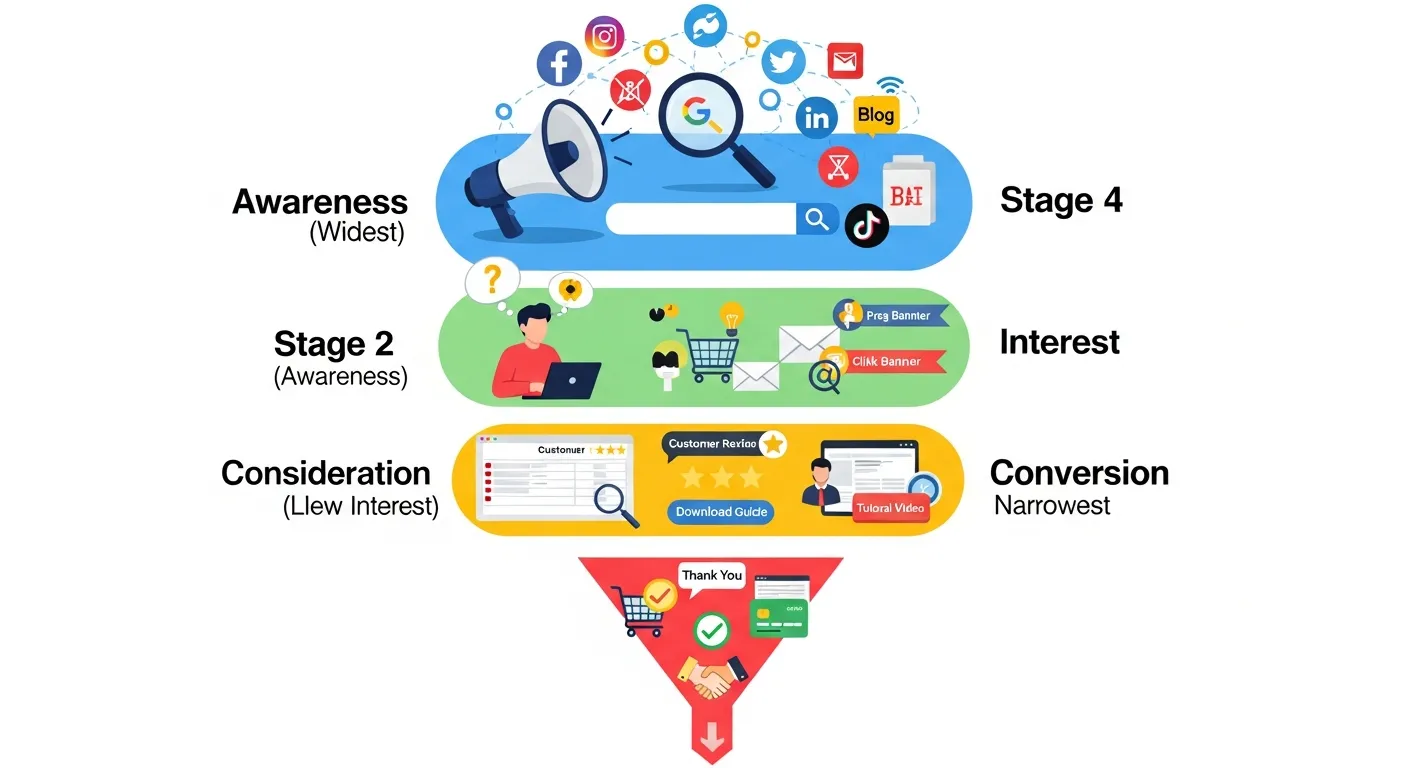
Solid web marketing advice emphasizes data-driven decisions: Don’t rely on guesswork—establish a robust measurement system that ties every marketing action back to your business objectives. Start by implementing tools like Google Analytics, Facebook Pixel, and UTM tracking links to capture insights on user behavior, campaign performance, and acquisition sources. For example, analyze which landing pages generate the highest conversion rates across different audiences, or compare bounce rates between channels such as organic search, paid ads, and social media referrals.
Dig deeper than top-line metrics: segment your data by device (mobile vs. desktop), location, new vs. returning visitors, or specific campaigns. Set up conversion goals and event tracking to measure every step of the funnel, from email signups and downloads to checkouts and customer support requests.
Advanced marketers use cohort analysis to see how different user segments behave over time—tracking repeat purchases, content engagement, or unsubscribes across specific campaigns. Heatmaps and session recordings (using tools like Hotjar or Microsoft Clarity) provide visual feedback on where users click, scroll, or drop off, revealing UX pain points.
Adopt a test-and-learn culture by running systematic A/B tests on headlines, images, CTAs, and offer types. For example, split-test two email subject lines or two landing page designs and measure which one results in higher click-through or conversion rates. Build interactive dashboards for real-time KPI monitoring, and establish weekly or monthly reviews with your team to identify trends, fix bottlenecks, and prioritize next steps.
Modern analytics enables attribution modeling—helping you see whether SEO, email, social, or ads had the greatest influence on a conversion. Use these insights to shift budget to your top-performing channels and campaigns while pausing or reworking those that underdeliver. Ultimately, the best web marketing advice is to let objective data—not opinions—drive your decisions and ensure every dollar spent pushes you closer to your business goals.
|
KPI Category |
Example |
Purpose |
|---|---|---|
|
Acquisition |
CPC, CPA |
Cost to attract a new customer |
|
Engagement |
Bounce Rate |
Measures relevance and content quality |
|
Conversion |
Conversion% |
Tracks success in turning visitors |
|
Retention |
CLV |
Measures long-term customer value |
Monitor KPIs regularly to spot issues and opportunities to refine your strategy.
Advanced Web Marketing Tactics
Take your web marketing advice to the next level with these innovative strategies and real-world examples:
- Conversion Rate Optimization (CRO): Go beyond basic A/B testing by using heatmaps and session recording tools like Hotjar or Crazy Egg to uncover where users drop off during critical steps. For instance, an e-commerce retailer might discover that simplifying the checkout process increases completed sales by 20%. Test everything from button color to value propositions and even trust badges.
- Retargeting & Remarketing: Segment audiences by their activity—such as viewing a product but not adding to cart—and serve targeted ad sequences tailored to their stage in the buyer journey. Example: A SaaS provider runs LinkedIn retargeting ads offering a live demo to users who previously downloaded an industry report.
- Video Marketing & Live Streaming: Launch live Q&A sessions on Instagram or Facebook, host product launches via YouTube Live, and embed customer testimonial videos on landing pages. Brands like Glossier use behind-the-scenes TikTok videos to boost loyalty and viral brand awareness, while B2B firms host monthly webinars to drive qualified leads.
- Influencer and Micro-Influencer Campaigns: Micro-influencers (1,000–10,000 followers) often drive higher engagement than celebrity partnerships. Example: A specialty food brand sends product samples to food bloggers, who post authentic reviews and recipe ideas, generating UGC and trust with niche audiences.
- Omnichannel Automated Messaging: Deploy AI-powered chatbots not just for FAQs, but for upselling, appointment bookings, and guiding users through complex product catalogs. An insurance company might use a chatbot to instantly provide quotes or initiate claims, reducing response time from hours to seconds.
- Smart Pop-ups and Exit Intent: Design intelligent pop-ups that trigger based on user behavior—showing a discount to first-time exiters or promoting a webinar to blog readers. For example, a publishing site offers a free chapter download as users scroll 75% down a post, doubling newsletter signups.
- Local Optimization with Hyperlocal Ads: Go beyond generic business listings and launch hyperlocal campaigns—like offering “order ahead” promos to users within a certain radius or promoting flash sales to neighborhoods near your store. A fitness studio runs mobile ads to local commuters within 2 miles during rush hour.
- Interactive Content and Quizzes: Develop calculators, assessments, or quizzes to engage users and drive data capture. A financial advisor might offer a “Retirement Readiness Quiz” that generates customized report downloads, facilitating warm leads. Retailers deploy style quizzes to recommend personalized product collections.
- Voice and Visual Search: Optimize key pages with conversational content for voice assistants, and add structured data and high-quality images for Google Lens searches. Restaurants are starting to appear in “near me” searches on smart speakers thanks to schema markup and concise, answer-focused FAQs.
- Dynamic Personalization: Deliver custom site experiences by showing different homepage banners, product recommendations, and offers based on previous user behavior or referral source. Travel sites, for instance, highlight destinations a user has browsed, paired with limited-time deals.
- SMS & Messenger Marketing: Leverage text and messaging apps for flash sales, reminders, and exclusive offers to supercharge engagement. Beauty brands send SMS restock notices, achieving higher open rates and rapid conversion spikes.
- Progressive Web Apps (PWAs): Create app-like website experiences that enable offline access, fast loading, and push notifications—ideal for retailers or services targeting mobile-first consumers.
- Augmented Reality (AR): Incorporate AR features that let users “try before they buy.” Furniture retailers let shoppers preview sofas in their living room using a phone camera; eyewear brands offer virtual try-ons for glasses.
- Customer Experience Mapping: Map every digital touchpoint and track satisfaction scores, using surveys and NPS collection after key interactions (like purchases or support chats). Brands that monitor CX in real time can quickly resolve frustrations and turn detractors into promoters.
- Sustainability and Social Proof: Highlight sustainability initiatives, eco-friendly practices, or community involvement in marketing materials and product pages. Brands sharing real-time charity impact or customer testimonials build lasting brand equity.
- AI-Powered Content Creation: Use tools like ChatGPT or Jasper to draft social posts, captions, or ideas for email campaigns, then humanize and refine before publication. Streamline content production without sacrificing authenticity.
By integrating these advanced web marketing tactics—with regular measurement and agile campaign adjustments—you can create a dynamic, future-ready digital marketing engine that not only captures attention but also exceeds customer expectations at every stage.
- Conversion Rate Optimization: Test landing page elements and forms for higher conversions.
- Retargeting: Use ads to bring back non-converting visitors.
- Video Marketing: Boost engagement with educational and product videos.
- Influencer Collaborations: Partner with trusted creators to reach new audiences.
- Chatbots: Automate FAQs and lead capture for instant user engagement.
- Local Optimization: Keep business listings updated for local SEO and collect reviews.
Mistakes to Avoid
Avoid these common pitfalls to ensure your web marketing advice leads to sustained business growth:
- Ignoring Mobile Optimization: Over half of web traffic is mobile. A site that’s slow or hard to navigate on phones will quickly lose visitors and rankings. For example, businesses that fail to create a responsive site often see high bounce rates and lower conversions.
- Neglecting Analytics: Review your data often—don’t waste budget on channels that underperform. For instance, some brands run paid ads for months without tracking conversions and end up investing in ineffective campaigns.
- Sporadic Posting: Maintain a regular schedule for blogs, emails, and social posts. If you post five pieces one week and nothing for a month, you lose momentum and the trust of your audience. A stagnant presence can make your brand seem inactive.
- Over-Promoting: Provide value in most messages; mix educational advice, industry news, and helpful resources. If every email or post is a hard sell, subscribers will unsubscribe and followers will disengage. Strive for an 80/20 blend: 80% value, 20% promotion.
- Outdated Content: Regularly refresh high-traffic pages, pricing information, and core service/product details. Letting old blog posts or key landing pages become outdated confuses users and undermines your expertise. For example, updating a guide with new strategies or statics boosts SEO and authority.
- Ignoring Customer Feedback: Use surveys, social comments, and reviews to learn what your audience wants and expects. Brands that dismiss feedback often miss glaring issues or improvement opportunities, while those that act on feedback build trust and loyalty. If customers repeatedly mention slow shipping or unclear instructions, address these directly in your marketing and operations.
- Weak Calls to Action (CTAs): Don’t hide your main goal—make it easy for users to know the next step. Vague CTAs like “learn more” lack urgency. Test direct phrases like “Get Your Free Quote,” “Shop Today,” or “Schedule a Consultation.”
- Not Testing Across Devices and Browsers: Some sites look perfect on Chrome but render poorly on Safari or mobile. Regularly test pages to catch compatibility issues that could deter visitors from engaging or purchasing.
By learning from these examples and addressing each pitfall early, you’ll ensure your web marketing advice translates into a smooth, engaging, and profitable online experience for your visitors.
- Ignoring Mobile Optimization: Over half of web traffic is mobile. Make your site fast and easy on all devices.
- Neglecting Analytics: Review your data often—don’t keep spending on underperforming tactics.
- Sporadic Posting: Maintain a regular schedule for blogs, emails, and social posts to build trust.
- Over-Promoting: Provide value in most messages; balance offers with tips and insights.
- Outdated Content: Regularly refresh high-traffic pages and core information.
- Ignoring Customer Feedback: Use surveys and reviews to optimize products and messaging.
The Future of Internet Marketing Best Practices
Web marketing evolves quickly—anticipate trends and adapt:
- Personalization: Use data to create relevant, timely messaging for each user, offering experiences tailored by browsing behavior, purchase history, or even real-time interactions. AI-powered recommendation engines will become the standard for delivering content, product suggestions, and targeted offers that truly resonate.
- Privacy Focus: Build trust by being transparent with data collection and permissions. As regulations tighten and third-party cookies disappear, marketers must rely more on first-party data and earn user consent through value-driven exchanges. Privacy-centric strategies—like contextual targeting and anonymous user experiences—will take on new importance.
- Voice and Visual Search: Optimize for spoken queries and well-tagged images. As smart speakers and visual search tools like Google Lens become more common, expect search engines to prioritize conversational content, question-based copy, and product listings enriched with clear images and structured data. Brands that adapt their SEO for these interfaces will claim more of tomorrow’s search traffic.
- Omnichannel Experience: Ensure users get a seamless journey, whether they start on mobile, desktop, social, or email. Cross-device tracking and coordinated messaging across platforms will define leading digital marketing strategies. Expect more brands to integrate their online and offline efforts, ensuring a unified customer experience from web to store to email.
- Automation: Embrace AI for smarter targeting, chatbots, and scheduling. Automation will handle not only basic tasks but also predictive analytics, real-time personalization, media buying, and dynamic creative testing—freeing up marketers to focus on strategy and creative.
- Sustainability Messaging: Connect with consumers’ values, highlighting ethical and eco-friendly initiatives. Increasingly, buyers expect businesses to demonstrate social responsibility, transparency, and sustainable practices as part of their core narrative.
- Augmented and Virtual Reality: Interactive experiences through AR and VR are growing mainstream—from virtual product try-ons to immersive brand events. Early adopters create memorable moments that drive engagement, particularly in retail and real estate.
- Shoppable Content: Social commerce will expand, allowing shoppers to buy directly from videos, livestreams, and influencer posts. Platforms like Instagram, TikTok, and YouTube are making the purchase journey frictionless—blurring the lines between entertainment and shopping.
- Zero-Click Searches and Featured Snippets: Google is increasingly surfacing answers directly in search results, so optimizing for snippet-worthy content, FAQs, and concise summaries will help brands maintain visibility and authority even when clicks aren’t guaranteed.
- Community Building: Digital communities—like private Facebook Groups, Discord channels, or brand forums—will hold greater marketing value as consumers seek authentic conversation and deeper connections with brands and peers.
- Real-Time Engagement and Ephemeral Content: Leverage the power of live video, stories, and time-limited content to boost urgency, foster interaction, and create shared digital experiences.
Businesses who adapt and stay connected to audience needs will thrive amid rapid change. By investing in emerging technology, prioritizing ethical practices, and staying agile, your digital marketing can become a true growth engine no matter how the future unfolds.
- Personalization: Use data to create relevant, timely messaging for each user.
- Privacy Focus: Build trust by being transparent with data collection and permissions.
- Voice and Visual Search: Optimize for spoken queries and well-tagged images.
- Omnichannel Experience: Ensure users get a seamless journey, whether they start on mobile, desktop, social, or email.
- Automation: Embrace AI for smarter targeting, chatbots, and scheduling.
- Sustainability Messaging: Connect with consumers’ values, highlighting ethical and eco-friendly initiatives.
Businesses who adapt and stay connected to audience needs will thrive amid rapid change.
Frequently Asked Questions
What is the core web marketing advice for new businesses?
Prioritize understanding your audience. Focus your website and campaigns on solving their problems, and align all digital marketing strategies to provide clear value.
How do I select the right digital marketing strategies?
Identify where your audience spends time—B2B businesses do well on LinkedIn and email, while B2C brands might succeed on Instagram or TikTok.
What low-cost online business promotion tips work best?
Leverage organic channels—SEO, high-quality content, and social engagement. Optimize your Google Business Profile and participate in online communities for visibility.
How long do website traffic growth techniques take to produce results?
SEO and content marketing can take 3–6 months for significant results. Paid advertising can generate traffic quickly, but is cost-dependent.
What are essential internet marketing best practices?
Mobile-friendliness, consistent publishing, HTTPS security, fast load times, and effective CTAs should be a foundation for all web marketing advice.
Does email marketing remain effective?
Yes, it delivers a high ROI by reaching customers who have already engaged with your brand directly and without algorithm barriers.
Where can I find a comprehensive digital marketing guide?
Explore step-by-step frameworks and solutions at resources like
Check out this ultimate guide to digital marketing strategy solutions
How often should I monitor my web marketing metrics?
Review KPIs weekly for quick wins and conduct monthly audits for deeper analysis and strategy refinement.
Is social media advertising a good investment?
Yes—social ads allow precise targeting, making sure your promotions reach the people most likely to buy your products or services.
Why is mobile optimization vital for web marketing advice?
With most users browsing on smartphones, a mobile-optimized site ensures better engagement and is favored in Google’s rankings.