
This comprehensive digital marketing advice guide covers SEO, social media, email marketing, content creation, paid advertising, analytics, and emerging trends to help businesses attract customers, increase engagement, build brand authority, and achieve sustainable online growth.
Connecting with customers online is the lifeblood of modern business. Digital marketing allows you to reach people exactly where they spend most of their time: on their phones, tablets, and computers. Unlike traditional advertising, digital marketing offers precision. You can target specific demographics, track exact engagement rates, and adapt your campaigns in real time based on performance data.
Finding the right digital marketing advice can completely change how you approach your business goals. At its core, digital marketing encompasses all marketing efforts that use an electronic device or the internet. Businesses leverage search engines, social media, email, and other websites to connect with current and prospective customers. This approach levels the playing field. A small startup can reach a global audience just as effectively as a massive corporation, provided they have a solid plan and follow sound digital marketing advice.
Why Digital Marketing is Essential for Every Modern Business
Shifting to digital-first strategies isn’t just for e-commerce giants or tech startups. Today, brick-and-mortar businesses, creators, and service providers must all embrace digital marketing to stay visible and competitive. Consumers expect to find brands online, research products before buying, and interact with businesses on their preferred platforms. If your digital presence is lacking, potential customers will turn to competitors who make discovery— and decision-making—easier.
The digital landscape also provides a wealth of insights. Every click, page view, email open, or social post generates data. This gives you unprecedented feedback about what’s working, what needs to change, and where your next opportunities lie. As a result, digital marketing advice always begins and ends with continuous learning, testing, and adapting to market signals.
Key Digital Marketing Channels to Explore
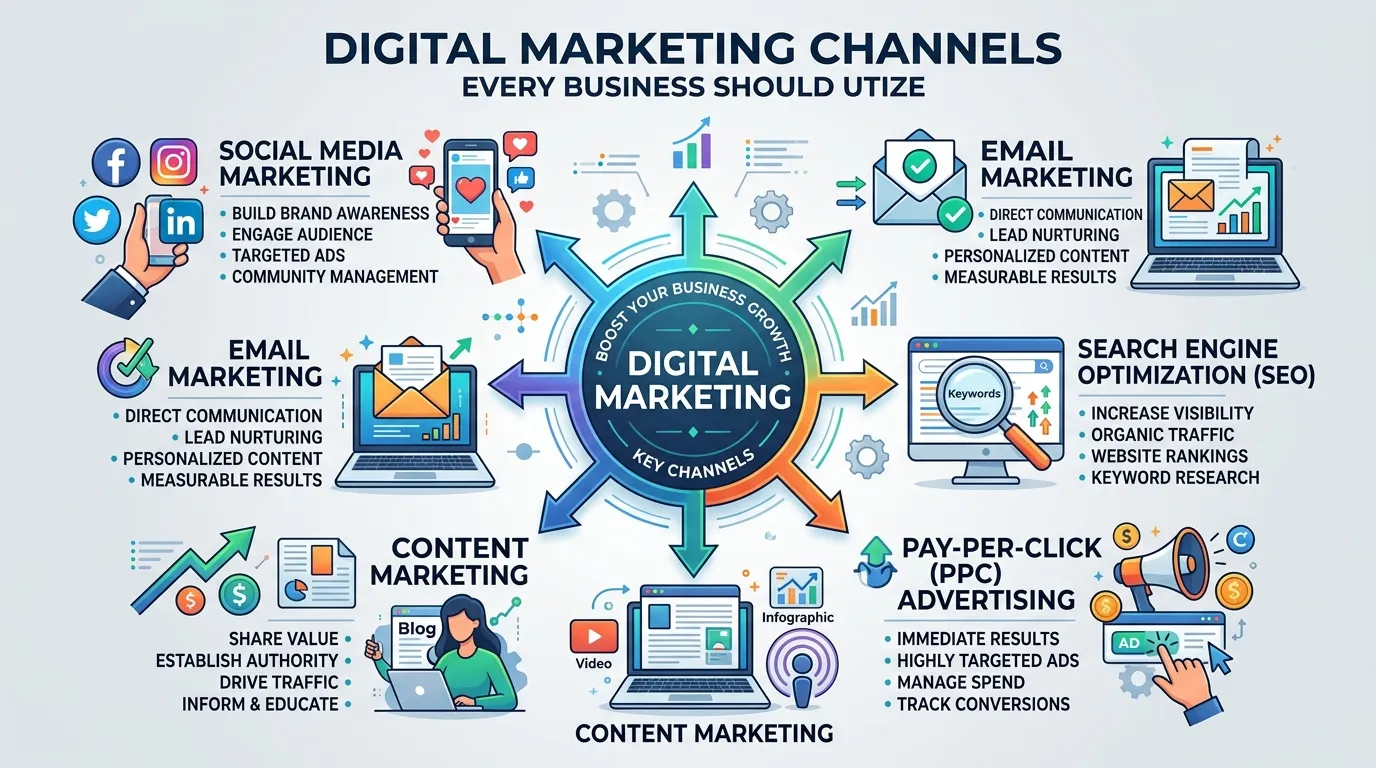
To build a successful marketing engine, you need to understand the individual parts that make it run. Exploring these platforms deeply is a critical piece of digital marketing advice for any business owner. Here are the primary channels every marketer should know.
Search Engine Optimization (SEO Strategy)
SEO is the practice of optimizing your website so that it ranks higher on search engine results pages like Google. Building a comprehensive SEO strategy is crucial because when people search for products or services related to your business, you want to appear at the top.
On-Page SEO Tactics
This involves researching relevant keywords, writing high-quality content, and ensuring your website loads quickly. Good SEO strategy brings consistent, free traffic to your site over time. It requires you to optimize title tags, meta descriptions, and image alt text. Other best practices include using heading tags, structuring content for readability, and updating site maps regularly. Consider adding schema markup to help search engines better understand your content and present it more attractively in results.
Off-Page SEO Tactics
Off-page factors are just as important in your SEO strategy. Earning backlinks from reputable websites signals to search engines that your content is trustworthy. Great digital marketing advice always emphasizes building relationships with other webmasters to earn these valuable links. Publish guest articles, participate in relevant forums, and create press releases for share-worthy company news. Social signals, such as shares and mentions, indirectly support your SEO efforts by boosting visibility and brand authority.
Technical SEO
Technical SEO focuses on the backend elements of your website. Ensure your site is mobile responsive, loads quickly, and is free from broken links or errors. Use Google Search Console to regularly audit your site’s performance. Consider advanced tactics like creating an XML sitemap, utilizing canonical tags, and implementing AMP pages for even faster loading on mobile devices. Strong technical SEO ensures every other aspect of your strategy delivers results.
Search Engine Marketing (SEM)
While an SEO strategy focuses on organic traffic, SEM involves buying ad space on search engines. Platforms like Google Ads allow you to bid on specific keywords.
- When a user searches for that term, your website appears at the very top of the results page.
- SEM is highly effective for driving immediate traffic.
- It captures users who have high intent and are ready to make a purchase.
- Top digital marketing advice suggests pairing SEM with SEO for maximum visibility.
Search engine marketing also enables you to test offers and landing pages quickly. Consider starting with a modest daily budget and scaling up as you identify which keywords and ads generate the best ROI. Use campaign tracking codes to connect ad spend with conversions, and don’t be afraid to experiment with ad copy, calls to action, and even split-testing landing page layouts.
Social Media Marketing
Social media platforms like Instagram, LinkedIn, Facebook, and TikTok offer powerful ways to build brand awareness. Effective social media marketing is about creating content that engages your target audience, fosters community, and gives your brand a relatable personality.
A vital piece of digital marketing advice is to not spread yourself too thin across all networks. Choose the platforms where your target audience actually spends their time. Social media marketing also offers robust paid advertising options, allowing you to show ads to users based on their interests, age, and location.
Organic Social Media
Organic posts enable you to share updates, company culture, industry news, and helpful tips. Consistency is key: develop a posting calendar and stick to it. Use Stories, Reels, and interactive elements—like polls and questions—on platforms that support them, as these features often see higher rates of engagement.
Paid Social Advertising
Paid options on social media allow for detailed targeting and rapid scaling. Set clear objectives—brand awareness, traffic, lead generation, or sales—and choose ad formats accordingly. Rotate creative content every few weeks and use A/B testing to see which messages resonate. Retargeting campaigns can help you reconnect with site visitors who didn’t convert, encouraging them to come back.
Email Marketing Mastery
Email remains one of the most reliable ways to communicate with your audience. When people opt into your email list, they give you direct access to their inbox. You can use email to send weekly newsletters, promote new products, offer exclusive discounts, and nurture leads until they are ready to buy. Solid digital marketing advice emphasizes treating your email list as your most valuable business asset.
Segment your list based on subscriber interests, purchase history, or level of engagement. Personalize your messaging by using first names or referencing past interactions. Automate welcome sequences, write compelling subject lines, and optimize mobile formatting. Respect your subscribers: always provide a clear path to unsubscribe and comply with regulations like GDPR and CAN-SPAM.
The Power of Content Marketing
Content marketing is the creation of valuable, relevant content designed to attract and engage a specific audience. This includes blog posts, e-books, videos, and infographics. Instead of directly pitching your products, content marketing solves problems for your readers.
By providing free value, you establish your brand as a trusted authority in your industry. A great piece of digital marketing advice is to focus on quality over quantity.
Publishing comprehensive guides, how-to articles, video tutorials, and detailed case studies can solidify your thought leadership in your field. Repurpose existing content into new formats to multiply your reach: turn a popular blog post into a video, an infographic, and a social carousel. To explore this concept further, read what is content marketing to deepen your strategy.
Influencer and Affiliate Marketing
While not a core focus for all businesses, influencer and affiliate marketing are quickly rising as powerful digital marketing channels. Partnering with niche influencers, even those with smaller audiences, can provide authentic endorsements and expand your brand’s reach. Affiliate marketing allows you to incentivize others to share your products in exchange for a commission on sales. Both approaches can complement your core digital marketing advice with targeted, trust-driven growth.
Comparing Digital Marketing Channels
Understanding how different channels stack up helps you allocate your budget efficiently. Here is a comparison to guide your online business growth.
|
Marketing Channel |
Cost Level |
Time to See Results |
Primary Benefit |
|---|---|---|---|
|
SEO Strategy |
Low to Medium |
3 to 6 Months |
Long-term organic traffic |
|
Content Marketing |
Medium |
3 to 6 Months |
Brand authority and trust |
|
Social Media Marketing |
Low to High |
Immediate to 1 Month |
Community engagement |
|
Email Marketing |
Low |
Immediate |
High conversion rates |
|
Paid Search (SEM) |
High |
Immediate |
Fast targeted traffic |
Regularly reevaluate your channel mix. As your company evolves, some channels may become more or less effective. Tracking attribution—identifying what drove a sales lead or a new customer—helps you make decisions about where to invest your time and money for the highest returns.
Developing a Digital Marketing Strategy
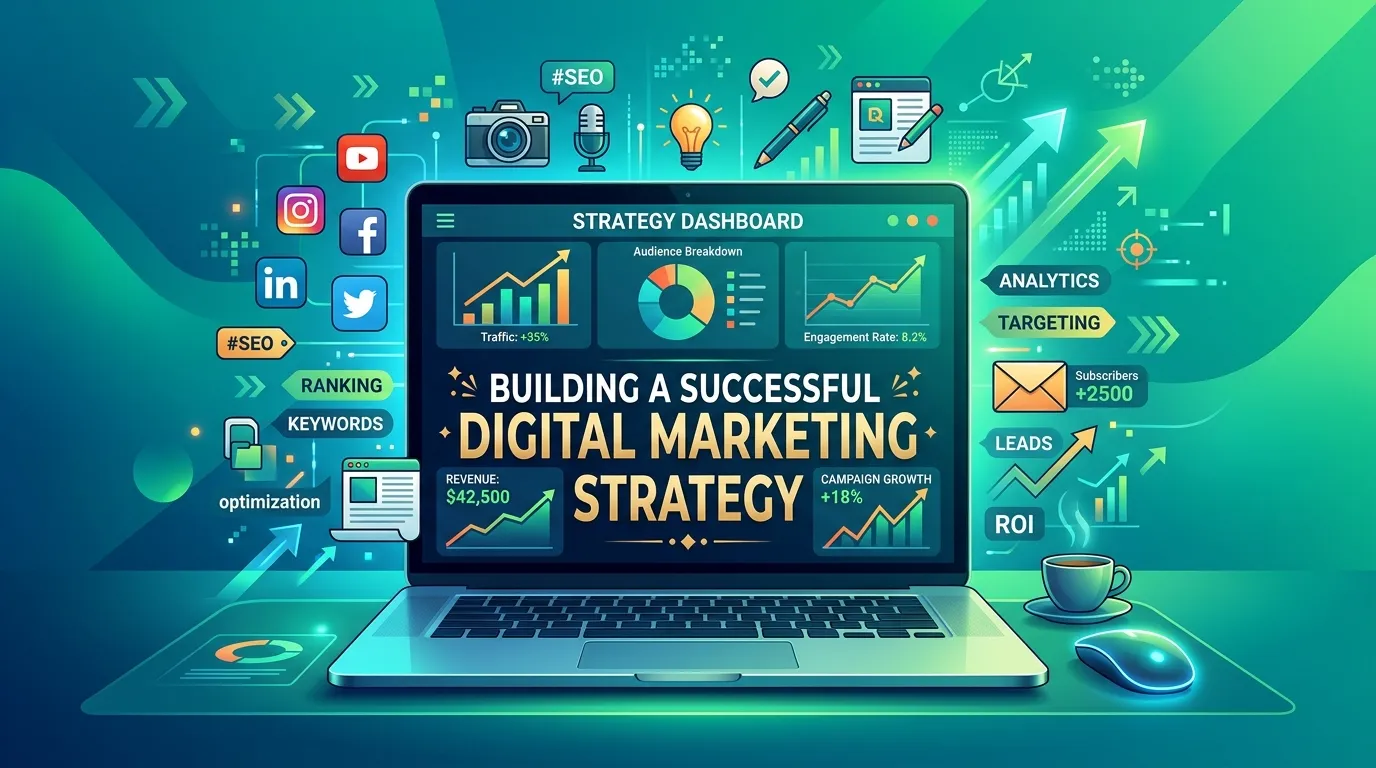
Understanding the channels is only the first step. You need a cohesive strategy to tie them all together for sustainable online business growth. Follow these steps to build an effective marketing plan using proven digital marketing advice.
Identify Your Target Audience
You cannot market effectively if you do not know who you are talking to. Start by creating detailed buyer personas. Outline your ideal customer’s age, income, job title, and geographic location.
Digging Deeper into Personas
Go deeper by identifying their pain points, goals, and the specific problems your product solves. The more you understand your audience, the easier it is to craft messages that resonate with them. This is foundational digital marketing advice that prevents wasted ad spend.
Use tools like audience insights on social media platforms, Google Analytics demographics, and customer surveys to continually refine your personas. Create separate personas for different key customer segments and adjust your marketing accordingly.
Set Clear and Measurable Goals
A marketing strategy needs a clear destination. Establish specific, measurable goals for your campaigns. Do you want to increase website traffic by 20% in the next quarter? Are you aiming to generate 50 new qualified leads this month? Setting precise targets allows you to measure your progress and determine if your digital marketing advice is actually working.
Use the SMART framework (Specific, Measurable, Achievable, Relevant, Time-bound) when setting marketing objectives. Break down big goals into smaller milestones. This makes performance tracking easier and keeps your team motivated.
Select the Right Channels
You do not need to be on every platform to achieve online business growth. Choose the channels that align with your audience and your goals. If you are selling enterprise software, LinkedIn is likely a better investment than TikTok. If you run a visual brand like a bakery or an apparel company, Instagram and Pinterest should be your top priorities in your social media marketing plan. Focus your energy on the platforms where your ideal customers already spend their time.
Once you’ve narrowed down your core channels, allocate resources accordingly. Assign team members or outsource to trusted agencies for each priority area. Continually reevaluate whether a platform still serves your audience— digital landscapes shift quickly.
Measuring Success and Tracking Data

One of the biggest advantages of taking digital marketing advice is learning how to track your success. You can measure exactly how people interact with your campaigns, making your strategy highly adaptable.
To track performance, you need the right tools. Google Analytics is essential for monitoring website traffic, user behavior, and traffic sources. Social media platforms provide native insights dashboards to track engagement and reach. Email software will show you open rates and click-through rates. Following this digital marketing advice ensures you never guess about your performance.
For more advanced needs, use Customer Relationship Management (CRM) tools, heat mapping software, conversion tracking, and multi-channel attribution models. UTM parameters in your URLs allow you to trace the effectiveness of specific campaigns or content pieces. Regular reporting cycles—weekly, monthly, or quarterly—help turn data into actionable insights.
Focus on metrics that tie back to your online business growth goals. While getting thousands of “likes” on a post feels good, it does not always translate to revenue. Pay close attention to your conversion rate, cost per acquisition, and overall return on investment. These numbers tell you if your marketing is actually generating profit.
Building Customer Loyalty and Advocacy Through Digital Marketing
Customer retention and satisfaction are just as important as acquiring new leads. Use digital marketing to build relationships with your customers post-sale. Send follow-up emails, solicit feedback through surveys, and invite them to join online communities. Exceptional service and attentive digital presence increase the chance of word-of-mouth referrals and positive reviews, which in turn fuel online business growth.
Encourage customers to share their experiences by offering incentives such as referral bonuses or user-generated content contests. Share customer testimonials and reviews across your website and social channels to amplify trust and convert new buyers.
Current Trends Driving Online Business Growth
Digital marketing constantly evolves as technology improves and consumer behavior shifts. Staying updated with the latest digital marketing advice helps you maintain a competitive edge and secure your online business growth.
Artificial Intelligence in Digital Marketing
Artificial intelligence is currently reshaping how marketers work. AI tools can analyze large datasets to predict consumer behavior, automate ad bidding, and even help generate content outlines. Chatbots provide instant customer support, while AI-driven personalization engines deliver the right offers to the right users at the right time. Embrace machine learning tools that recommend content, improve targeting, and enhance forecasting accuracy.
The Rise of Short-Form Video
Short-form video continues to dominate social media marketing. Platforms heavily favor quick, engaging video content, making it an essential format for brands looking to capture attention quickly. Consider including behind-the-scenes clips, product demos, and quick how-to videos in your social strategy. Videos that evoke emotion, educate, or entertain tend to perform best— even more so when they encourage viewer interaction.
Voice Search Optimization
With the increasing prevalence of smart speakers and voice assistants, optimizing your digital content for voice search is becoming more important. Focus on conversational keywords and question-based formats. Structure FAQ pages for easy retrieval by search algorithms and use natural language wherever possible.
Interactive Content
As digital audiences become more engaged, interactive content such as quizzes, polls, calculators, and live streams can dramatically increase engagement rates. These pieces encourage two-way communication, provide real-time feedback, and help build deeper connections with your audience.
Privacy and Data Protection
Consumers and regulators alike are demanding stronger data privacy practices. Stay compliant with privacy laws in every country where you have users. Prioritize transparent data collection, obtain user consent, and communicate clearly how you use information. Building trust in this way is a key pillar of modern digital marketing advice.
Start Growing Your Business Online Today
Implementing good digital marketing advice is an ongoing process of testing, learning, and refining. By understanding the core channels, defining your audience, and consistently measuring your results, you can build a marketing engine that drives sustainable online business growth. Focus on providing genuine value to your customers, and the results will naturally follow.
Begin by auditing your current marketing mix. Identify one area with untapped potential—a new channel to test, an email segmentation tweak, or a landing page rewrite—and make it your project for the upcoming month. Empower your team with ongoing education, follow thought leaders, and revisit your plan quarterly. Every step you take sharpens your competitive edge.
Take a look at your current marketing efforts this week. Identify one new channel to test or one metric to improve, and start putting this digital marketing advice into practice today.
Frequently Asked Questions
What is the most important digital marketing advice for beginners?
The best digital marketing advice for beginners is to start by deeply understanding your target audience before spending money. Focus on one or two channels, such as an SEO strategy or social media marketing, and master them first. Consistency and tracking your data are key to long-term online business growth.
How long does an SEO strategy take to show results?
A solid SEO strategy typically takes three to six months to start showing significant organic traffic results. Search engines need time to crawl, index, and rank your new optimized content against competitors. Patience and consistent content creation are essential digital marketing advice for search success.
Which tools are best for tracking digital marketing campaigns?
You need reliable tools like Google Analytics for website traffic, and specialized platforms for email and social media monitoring. For a comprehensive breakdown, review the ultimate online marketing tools list for growth to find the right software. Tracking tools are the backbone of effective online business growth.
How does content marketing differ from traditional advertising?
Content marketing focuses on providing free, valuable information that solves reader problems, building trust over time. Traditional advertising directly pitches a product or service to drive an immediate sale. Great digital marketing advice blends both approaches to maximize online business growth and brand loyalty.
Is social media marketing necessary for B2B companies?
Yes, social media marketing is highly effective for B2B companies, especially on professional platforms like LinkedIn. It allows businesses to share industry insights, connect with decision-makers, and build thought leadership. Adapting your content to a professional audience is standard digital marketing advice for B2B growth.
How often should I send emails to my subscriber list?
Most digital marketing advice suggests sending emails at least once a week to stay top-of-mind without overwhelming your audience. Monitor your open rates and unsubscribe rates to find the perfect frequency for your specific subscribers. Consistency in email marketing is crucial for sustained online business growth.
What is a good conversion rate for a digital marketing campaign?
A good conversion rate varies by industry, but a standard benchmark across digital marketing channels is between 2% and 5%. E-commerce sites might see lower rates, while highly targeted lead generation landing pages can see much higher. Optimizing for conversions is the best digital marketing advice you can follow.
How much should a small business spend on digital marketing?
A general piece of digital marketing advice is to allocate 7% to 10% of your total gross revenue to your marketing budget. This budget should be split between your SEO strategy, paid ads, and content creation based on what drives the most return. Adjust your spend as you track which channels bring the most online business growth.
Can I do digital marketing on my own without an agency?
Yes, many small business owners handle their own digital marketing by utilizing free resources, tutorials, and basic tools. However, as your online business growth accelerates, hiring experts for complex tasks like advanced SEO strategy becomes a smart investment. Following trusted digital marketing advice will guide your early DIY efforts.
Why is mobile optimization important in an SEO strategy?
Mobile optimization is a critical SEO strategy because more than half of all global web traffic comes from mobile devices. Search engines like Google prioritize mobile-friendly websites, meaning a poor mobile experience will hurt your rankings. Ensuring responsive design is non-negotiable digital marketing advice for modern websites.