
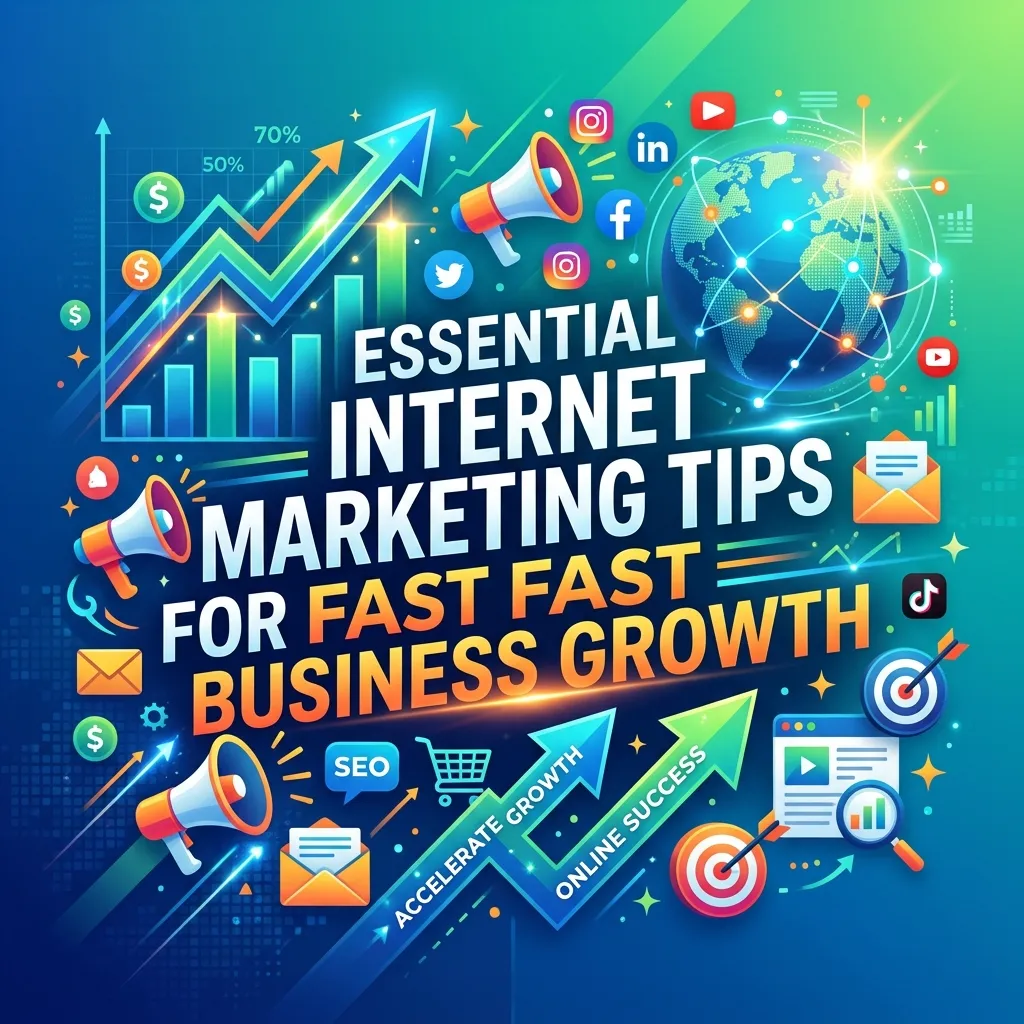
Learn essential internet marketing tips including audience research, SEO, content marketing, social media, email campaigns, PPC advertising, and analytics. Build a strong digital strategy using Online Marketing Tips to increase traffic, conversions, and long-term business growth.
Internet marketing encompasses all the digital strategies a business uses to promote its brand, products, or services online. From a simple weekly email newsletter to a complex search engine optimization campaign, the online ecosystem offers a massive range of tactics to reach potential customers. It relies on digital channels to connect directly with users exactly where they already spend their time.
Modern businesses depend heavily on these online channels for survival and growth. Traditional advertising methods often lack the precision, targeting capabilities, and highly measurable results that digital marketing provides. A solid online presence helps establish industry authority, builds brand awareness, and ultimately drives consistent revenue. Without a digital strategy, companies risk losing market share to competitors who actively engage their audience online. Implementing the right internet marketing tips can transform your business trajectory.
This comprehensive guide provides actionable internet marketing tips to help you build, launch, and refine your digital strategy. We will walk through foundational elements like audience research and website optimization, cover major channels like search engines and social media, and look ahead at emerging trends. By applying these Online Marketing Tips, you can create a cohesive marketing engine that continually generates leads and sales.
Understanding Your Audience and Niche
Before you launch a campaign or write a single blog post, you need a deep understanding of who you want to reach. Marketing to everyone usually means you appeal to no one. One of the most vital internet marketing tips is to narrow your focus to a specific target market.
Defining Your Target Audience

Your target audience is the specific group of consumers most likely to want your product or service. You can define them by gathering demographic data such as age, gender, income, and education level. You should also look at psychographics, which include their interests, values, lifestyles, and pain points. Creating detailed buyer personas helps you visualize your ideal customers and tailor your messaging to speak directly to their needs.
Identifying Your Unique Selling Proposition (USP)
Your unique selling proposition is the specific benefit that makes your business stand out from the competition. It answers the fundamental question of why a customer should choose you over anyone else. To find your USP, look at what your competitors do poorly or completely ignore. Highlight your strengths, whether that involves exceptional customer service, a proprietary technology, or an unbeatable price point.
Conducting Thorough Market Research
Market research removes the guesswork from your strategy. Use online surveys, customer interviews, and competitor analysis tools to gather actionable data. Read industry reports and monitor online forums related to your niche. This research helps you validate product ideas, understand pricing expectations, and discover exactly how your target audience talks about their problems.
Website Optimization for Success
Your website serves as the central hub for all your internet marketing efforts. If the site provides a frustrating experience, all the traffic you generate will simply bounce away. Following basic internet marketing tips for website performance is non-negotiable.
User Experience (UX) and User Interface (UI) Design
A clean, intuitive design keeps visitors engaged. UX focuses on how the website works, ensuring navigation is logical and information is easy to find. UI deals with how the website looks, utilizing appealing colors, readable typography, and high-quality imagery. Together, strong UX and UI build trust and guide visitors smoothly toward making a purchase or contacting your team.
Ensuring Mobile Responsiveness
More than half of all global web traffic comes from mobile devices. A mobile-responsive design automatically adjusts your website’s layout to fit perfectly on smartphones and tablets. Search engines heavily favor mobile-friendly sites in their rankings. If visitors have to pinch and zoom to read your text, they will leave and find a competitor with a better mobile experience.
Improving Website Loading Speed
Speed directly impacts your bottom line. Research consistently shows that users will abandon a website if it takes more than a few seconds to load. You can improve loading times by compressing images, utilizing browser caching, and minimizing heavy scripts. Fast-loading pages keep users happy and signal to search engines that your site provides a good experience.
Implementing Clear Calls to Action (CTAs)
Every page on your website needs a specific goal. A call to action tells the visitor exactly what you want them to do next. Use action-oriented language like “Download the Guide,” “Request a Quote,” or “Start Your Free Trial.” Make sure your CTAs stand out visually by using contrasting colors and placing them prominently on the page.
Search Engine Optimization (SEO) Strategies
Search engine optimization helps your website rank higher in unpaid search results. Earning a spot on the first page of search results brings steady, high-quality traffic to your site. SEO is one of the most critical internet marketing tips to master.
Keyword Research and Implementation
Keywords are the words and phrases people type into search engines. You need to identify the terms your target audience uses when looking for solutions you provide. Tools like Google Keyword Planner help you find terms with high search volume and manageable competition. Once identified, incorporate these keywords naturally into your content, headings, and URLs.
Mastering On-Page SEO
On-page SEO involves optimizing individual web pages to rank higher. Title tags and meta descriptions tell users and search engines what your page is about. They should be compelling and include your primary keywords. Proper use of heading tags (H1, H2, H3) organizes your content logically. You should also ensure your images have descriptive alt text to improve accessibility and image search rankings.
Essential On-Page Factors:
- Optimized Title Tags and Meta Descriptions
- Clean URL structures
- Proper H1, H2, and H3 formatting
- Optimized image alt-text
- Internal linking to relevant pages
Off-Page SEO Tactics
Off-page SEO focuses on actions taken outside of your website that impact your rankings. The most critical factor is earning high-quality backlinks from reputable websites. Search engines view backlinks as votes of confidence. You can build links through guest blogging, creating highly shareable content, or reaching out to industry directories. Local SEO, such as managing your Google Business Profile, is also essential for businesses serving specific geographic areas.
Technical SEO Fundamentals
Technical SEO refers to website and server optimizations that help search engine spiders crawl and index your site more effectively. This includes establishing a logical site structure and submitting an XML sitemap to search engines. Fixing broken links, resolving duplicate content issues, and ensuring your site has an active SSL certificate (HTTPS) are all crucial technical steps.
SEO and Content Marketing: The King of Internet Marketing Tips
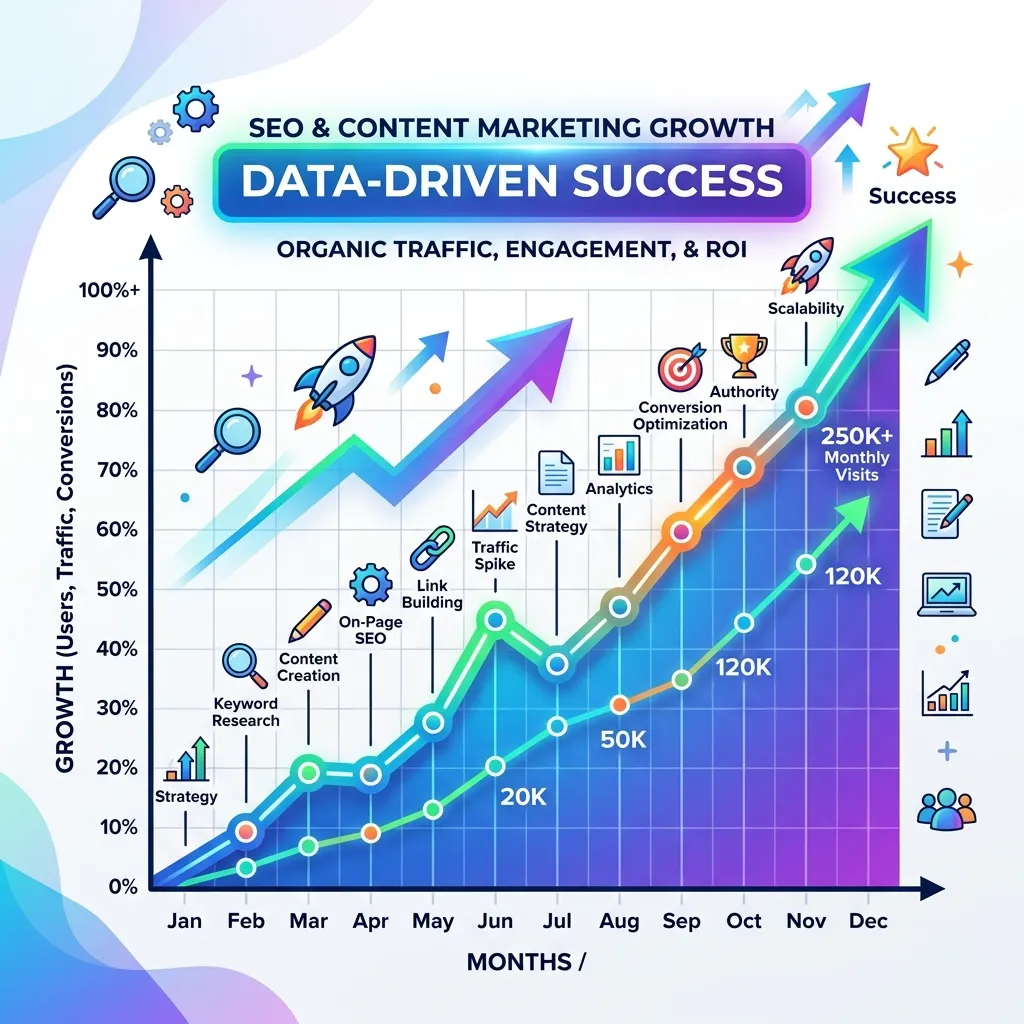
SEO and Content Marketing work hand-in-hand. Content marketing involves creating and sharing valuable material to attract and convert a specific audience. It establishes your brand as an authority and gives people a reason to visit your website.
Writing Blog Posts and Articles
Maintaining a consistent blog is one of the most effective ways to generate organic search traffic. Write comprehensive articles that answer common customer questions, explain industry concepts, or provide helpful tutorials. Focus on delivering genuine value rather than just pitching your products. Quality content is the backbone of successful internet marketing tips.
Creating Video Marketing Assets
Video content generates massive engagement across all digital platforms. You can create product demonstrations, customer testimonials, behind-the-scenes tours, or educational webinars. Videos keep visitors on your website longer and are highly shareable on social media networks.
If you are looking to refine your digital approach even further, you can explore what are the most effective digital marketing strategies to complement your content creation efforts.
Infographics and Visual Content
Infographics turn complex data and statistics into easily digestible visual stories. They work exceptionally well for breaking down complicated processes or highlighting research findings. Visual content often generates a high number of backlinks, making it a valuable asset for your SEO efforts.
Developing E-books and Whitepapers
Long-form content like e-books and whitepapers helps you capture leads. You offer this high-value content for free in exchange for a visitor’s email address. E-books typically serve as comprehensive guides on specific topics, while whitepapers provide deep, data-driven analysis of industry problems.
Social Media Marketing: Building Community and Brand
Social Media Marketing allows you to interact directly with your target audience, build brand loyalty, and drive traffic back to your website. Utilizing these internet marketing tips will help you stand out on crowded feeds.
Choosing the Right Platforms
You do not need to be on every social media network. Focus your energy on the platforms where your target audience actually spends their time. A B2B software company might see the best results on LinkedIn, while a fashion retailer will likely thrive on Instagram and Pinterest.
Content Strategy for Different Platforms
Every platform requires a tailored approach. Twitter works well for short updates and customer service, while Instagram demands high-quality visual content and short-form video. Adapt your core message to fit the specific format and tone of each network you use.
Engaging with Your Audience
Social media functions as a two-way conversation. Respond promptly to comments, messages, and mentions. Ask your followers questions, run polls, and encourage user-generated content. Active engagement builds a loyal community around your brand.
Paid Social Media Advertising
Organic reach on social media has declined significantly over the years. Paid social advertising guarantees your content reaches your desired audience. You can boost top-performing posts or create dedicated ad campaigns designed to generate leads or drive direct sales.
Email Marketing: Nurturing Leads and Driving Conversions
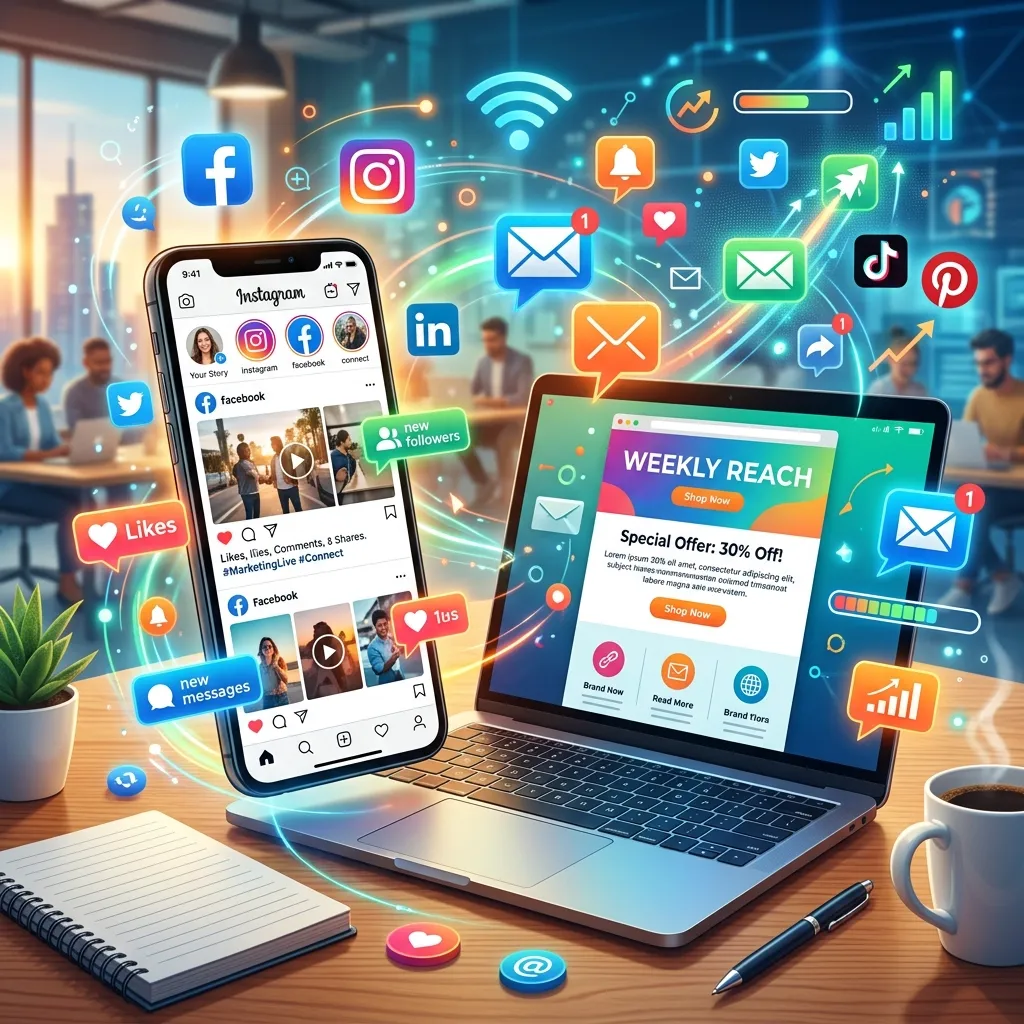
Email remains one of the most cost-effective internet marketing channels available. It allows you to communicate directly with people who have specifically asked to hear from you. Implementing strong email internet marketing tips is crucial for retention.
Building an Organic Email List
Never buy an email list. Instead, build your own list organically by offering lead magnets like discount codes, free trials, or downloadable resources. Place sign-up forms prominently on your website, blog, and social media channels.
Crafting Compelling Email Campaigns
Your emails should provide a mix of educational content, company updates, and promotional offers. Write strong, curiosity-inducing subject lines to improve your open rates. Keep the email body concise, visually appealing, and focused on a single, clear call to action.
Segmentation and Personalization
Treating every subscriber the same leads to low engagement and high unsubscribe rates. Segment your list based on customer behavior, purchase history, or demographic data. Personalize your messages by using the subscriber’s name and sending them content relevant to their specific interests.
Paid Advertising (PPC) for Immediate Impact
Pay-per-click (PPC) advertising provides immediate visibility and traffic. You only pay when a user actually clicks on your ad. Combining SEO with PPC is one of the most reliable internet marketing tips for steady growth.
Google Ads (Search and Display)
Google Search ads place your website at the very top of search engine results for specific keywords. These ads capture high-intent users who are actively looking for solutions. The Google Display Network allows you to place visual banner ads on millions of websites across the internet to build brand awareness.
Retargeting Strategies
Most visitors will not make a purchase on their first visit to your website. Retargeting uses cookies to track these visitors and display your ads to them as they browse other websites or social media networks. This keeps your brand top-of-mind and encourages them to return and complete their purchase.
Analytics and Tracking: Measuring Your Success
Data drives successful Digital Marketing Strategies. You need to track your performance to understand what internet marketing tips work and where you are wasting money.
Comparing Marketing Channels
|
Marketing Channel |
Primary Benefit |
Average Cost |
Best Use Case |
|---|---|---|---|
|
SEO |
Long-term organic traffic |
Low/Medium |
Evergreen content and website visibility |
|
Content Marketing |
Brand authority and lead generation |
Medium |
Educating customers and building trust |
|
Social Media |
Community building and engagement |
Low |
Direct customer interaction and updates |
|
Email Marketing |
High ROI and customer retention |
Low |
Nurturing leads and driving repeat sales |
|
PPC Advertising |
Immediate traffic and conversions |
High |
Time-sensitive promotions and product launches |
Key Performance Indicators (KPIs)
KPIs are the specific metrics you use to measure progress toward your business goals. Common digital marketing KPIs include website traffic volume, conversion rates, cost per acquisition, and customer lifetime value. Track these metrics regularly to gauge your overall success and adapt your internet marketing tips accordingly.
Emerging Trends in Internet Marketing
The digital landscape shifts rapidly. Staying informed about new technologies helps you maintain a competitive edge in your market. Adopting modern internet marketing tips keeps your brand fresh.
Artificial Intelligence (AI) in Marketing
AI tools are streamlining the marketing process. Businesses use AI-powered chatbots to provide instant customer service and guide users through simple transactions. Predictive analytics software utilizes AI to forecast consumer behavior, while generative AI assists marketers in drafting content and creating variations of ad copy.
Voice Search Optimization
The widespread use of smart speakers and mobile voice assistants is changing how people search for information. Voice searches tend to be longer and more conversational than typed searches. Optimize your content by answering specific questions clearly and focusing on natural language phrasing.
Achieving Long-Term Online Success
Implementing these internet marketing tips requires time, dedication, and strategic planning. By understanding your audience, optimizing your digital real estate, and leveraging channels like SEO, content marketing, and paid advertising, you build a powerful engine for continuous growth.
Digital marketing is an iterative process. You must continually track your analytics, run tests, and adapt to shifting consumer behaviors and emerging technologies. Commit to continuous learning, stay flexible in your approach, and your business will achieve sustainable success in the online marketplace.
Frequently Asked Questions
What are the most important internet marketing tips for beginners?
Start by clearly defining your target audience and building a fast, mobile-friendly website. Focus on one or two social media channels where your audience spends their time, and prioritize creating high-quality, helpful content. Consistently tracking your analytics will help you refine your approach as you grow.
How long does it take to see results from SEO?
SEO is a long-term strategy, and it typically takes three to six months to see significant improvements in search engine rankings. Search engines need time to index your new content, evaluate your technical optimizations, and register the backlinks you acquire. Consistency is the key to lasting SEO success.
Is Social Media Marketing necessary for every business?
Yes, social media is essential for establishing brand legitimacy and connecting with your audience. However, you do not need to be active on every platform. Choose the networks that align with your industry—such as LinkedIn for B2B companies or Instagram for highly visual consumer products.
How much should a small business spend on digital marketing?
A general rule of thumb is to allocate 7% to 10% of your gross revenue toward your marketing budget. For startups looking for rapid growth, this percentage might be higher. Distribute your budget across cost-effective internet marketing tips like content creation, email marketing, and targeted PPC ads.
What makes a good Unique Selling Proposition (USP)?
A strong USP clearly states what specific benefit you offer, how you solve your customer’s problem, and why you are better than the competition. It should be concise, memorable, and directly focused on the customer’s needs rather than just listing product features.
Why is mobile responsiveness so critical for websites?
Over half of all internet traffic comes from mobile devices, meaning most of your potential customers will experience your brand on a small screen first. Additionally, Google uses mobile-first indexing, meaning a site that functions poorly on mobile devices will be penalized in overall search rankings.
What is the difference between on-page and off-page SEO?
On-page SEO refers to optimizations you make directly on your website, such as keyword placement, content quality, and meta descriptions. Off-page SEO involves external actions that impact your rankings, primarily building high-quality backlinks from other reputable websites to boost your domain authority.
How often should I send emails to my subscriber list?
You should aim to email your list at least once a week to stay top-of-mind without overwhelming their inbox. Consistency is more important than frequency. Ensure every email you send provides genuine value, whether it is an educational article, an exclusive discount, or an important company update.
What are the best Online Marketing Tips for local businesses?
Local businesses should prioritize claiming and optimizing their Google Business Profile to ensure they appear in local map searches. Encouraging satisfied customers to leave online reviews and using location-specific keywords in your website content will also dramatically improve your local search visibility.
How can I improve my website’s conversion rate?
Improve conversion rates by ensuring your website loads quickly, features intuitive navigation, and has clear, compelling Calls to Action (CTAs). A/B testing different headlines, button colors, and page layouts will help you identify the most effective design elements to turn your visitors into paying customers.