
This guide covers essential website marketing strategies, including SEO, content, social media, email, and paid ads, helping businesses drive traffic, generate leads, improve conversions, and achieve sustainable growth through data-driven optimization and strong online branding.
A strong online presence is a strict requirement for modern businesses. Having a website is simply the baseline; getting people to visit, engage, and convert requires a deliberate approach. The digital landscape shifts constantly, rewarding those who adapt and leaving behind those who rely on outdated tactics.
If you want to scale your business, you must implement the best website marketing strategies available. This guide covers comprehensive methods for impactful Growth Marketing. You will learn how to build a high-performing foundation, drive continuous Traffic Generation, and turn visitors into loyal customers. Applying the best website marketing strategies ensures your Online Branding remains competitive and highly visible.
Why Website Marketing Matters More Than Ever
The battle for online visibility has never been fiercer. Billions of websites compete endlessly for the same audience, and only the best website marketing strategies can help you cut through the noise. Today’s consumers research, compare, and engage digitally before making any significant purchasing decision. Without a strategic approach, even the most well-designed website can languish in obscurity, unseen by your coveted audience.
Embracing Growth Marketing isn’t just about keeping up—it’s about pulling ahead. With the right blend of Traffic Generation and Lead Generation, you’ll secure ongoing customer engagement and make your brand top-of-mind in your industry.
Who Needs the Best Website Marketing Strategies?
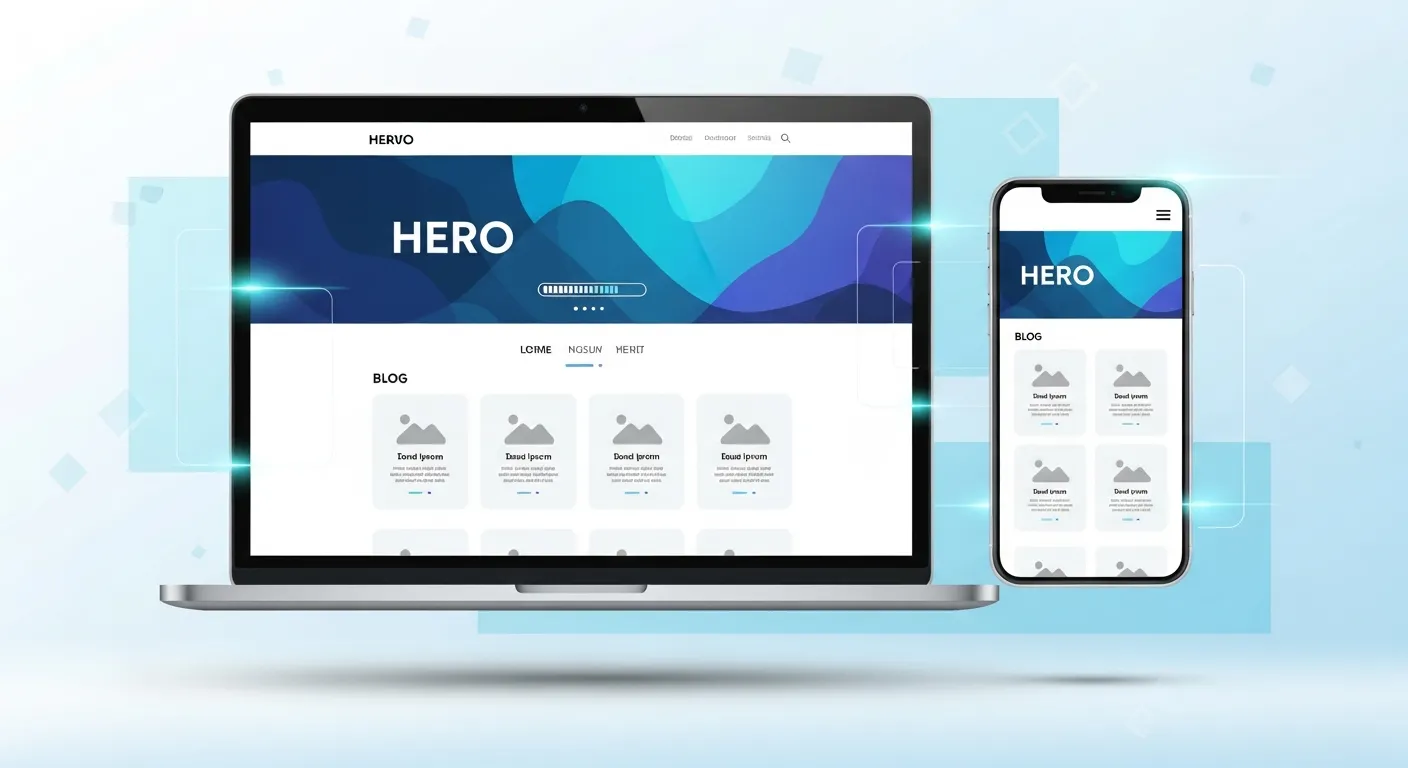
Whether you’re a local shop owner, a SaaS startup, an established enterprise, or an influencer building a personal brand, the best website marketing strategies are essential. These strategies are customizable, scalable, and fit businesses of all sizes. They serve as a roadmap: guiding you from square one—building a trustworthy, fast, and mobile-friendly site—through to sophisticated email campaigns and intelligent ad spend.
Let’s break down these proven approaches one by one and show how you can use the best website marketing strategies at every stage.
Chapter 1: Foundations of a High-Performing Website
Before driving traffic to your site, you need to ensure it functions flawlessly. A broken or confusing website wastes your marketing efforts. The very best website marketing strategies always start with technical excellence and user experience.
User Experience (UX) and User Interface (UI) Design
Intuitive navigation and aesthetic appeal keep visitors on your site longer. If users cannot find what they need within seconds, they will leave. Design your site with a mobile-first approach. Most web traffic comes from mobile devices, making responsive design critical for success.
A professional UI communicates trust and reduces friction. Prioritize legible fonts, consistent colors, and strong visuals to reinforce your Online Branding. Place key information above the fold, and use buttons and menus that are obvious and easy to use.
Website Speed and Performance
Page speed directly impacts user retention and SEO rankings. Slow loading times frustrate users and increase bounce rates. Use tools like Google PageSpeed Insights to test your site. Compress images, leverage browser caching, and minimize heavy scripts. Fast loading times form the backbone of the best website marketing strategies.
Consider that most visitors expect your pages to load in under two seconds. Even small improvements, like switching to a faster host or minimizing CSS/JS files, can dramatically affect your engagement metrics and overall success.
Security and Clear Call-to-Actions
Security builds trust. An SSL certificate encrypts data transferred between your site and your users. Furthermore, your website needs to tell visitors exactly what to do next. Design effective CTAs that stand out visually and use action-oriented language. A strong CTA is the key to moving users further down the conversion funnel and is a staple of all the best website marketing strategies.
Advanced Foundation Enhancements
- Accessibility: Make sure your site is accessible for all users, including those with disabilities. Use proper contrast ratios, descriptive alt text for images, and keyboard navigation.
- Structured Data: Implement schema markup to help search engines understand your site content, improving your chances of appearing in rich results.
- Custom 404 Pages: Design user-friendly error pages to keep lost visitors engaged and redirect them to valuable content.
Chapter 2: Search Engine Optimization (SEO)
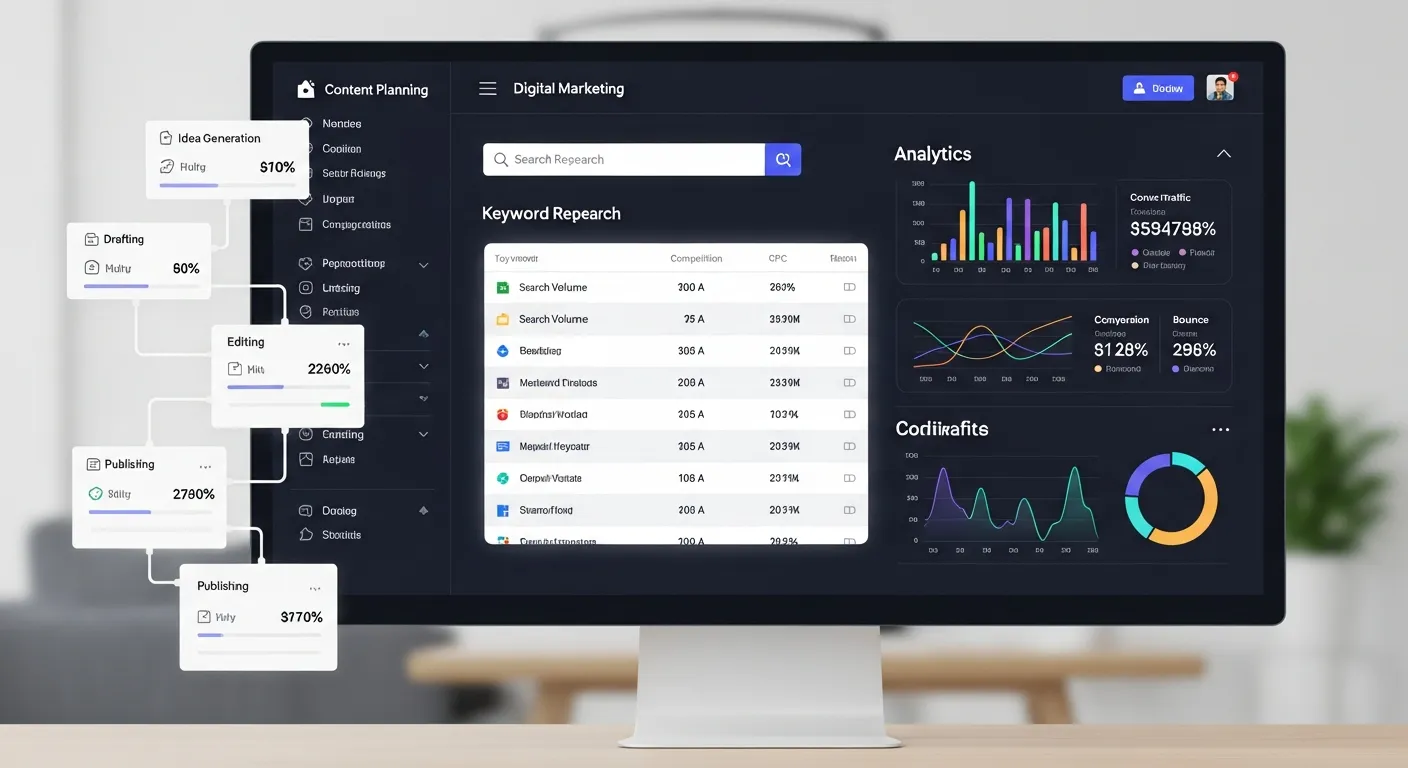
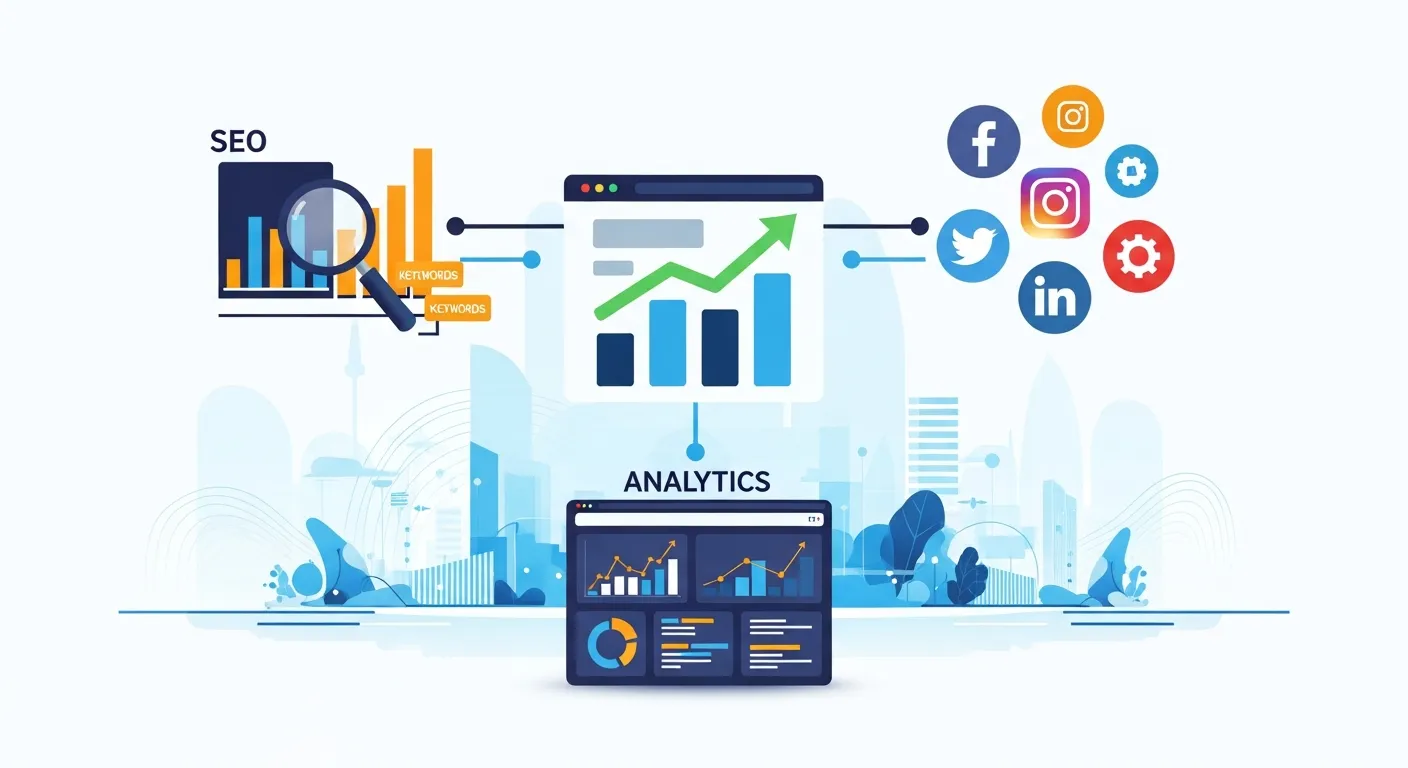
SEO serves as your organic growth engine. It ensures your website appears when potential customers search for relevant solutions. Without SEO, even the best website marketing strategies will struggle to generate consistent traffic.
Keyword Research and On-Page SEO
Identify high-value keywords that align with your business offerings. Focus on long-tail keywords—phrases with three or more words—because they often indicate higher purchase intent. Optimize individual pages to rank higher by writing compelling title tags, using proper headers, and weaving keywords naturally into your content. Practice a healthy keyword density for each page, ensuring the best website marketing strategies are reflected in your SEO efforts.
Optimizing On-Page Elements
- Headings: Use H2 and H3 tags to break up content for better readability and to highlight focus keywords.
- Internal Linking: Guide users and search engines to important pages across your site.
- Image SEO: Add descriptive file names, alt attributes, and compress for speed.
Technical and Off-Page SEO
Technical SEO helps search engines index your site effectively. Create an XML sitemap and optimize your robots.txt file. Meanwhile, off-page SEO involves building backlinks. Search engines view backlinks from reputable sites as votes of confidence, which is a core pillar of the best website marketing strategies.
Measuring SEO Success
Track progress using Google Search Console and analytics tools. Monitor rankings, click-through rates, and index coverage. Identify what works and refine your approach to continuously improve your share of organic Traffic Generation.
Chapter 3: Content Marketing
Content is the heart of website engagement. It educates your audience, builds authority, and supports your SEO and Traffic Generation efforts. Among the best website marketing strategies, creating valuable content establishes your site as an industry voice.
Developing a Content Strategy
Understand your audience and their specific pain points. Create a content calendar to plan and organize your publishing schedule. Consistency helps keep your audience engaged. The best website marketing strategies rely heavily on high-quality, actionable content.
Content Types for Maximum Impact
- Evergreen blog articles: Resonate with both new and returning audiences by providing timeless answers.
- How-to guides: Establish your authority and solve common customer problems.
- Case studies and whitepapers: Highlight success stories and your expertise.
- Video tutorials and webinars: Enhance engagement through dynamic formats.
Types of Website Content
Diversify your content formats to appeal to different users:
- In-depth blog posts and articles
- Comprehensive case studies
- Visual infographics
- Engaging video content
Distributing and Repurposing Content
Content distribution is a core component of the best website marketing strategies. Share your work on social media. Turn blog posts into short videos or infographics. Use email blasts to promote new guides, and consider guest posting or collaborating with industry influencers for wider reach.
Table: Content Formats and Their Benefits
|
Content Type |
Purpose |
Benefit |
|---|---|---|
|
Blog Posts |
Inform and Educate |
SEO and ongoing Traffic Generation |
|
Videos |
Demonstrations and Branding |
Engage visual learners, increase time on site |
|
Infographics |
Quick Data Digest |
Highly shareable and linkable |
|
Case Studies |
Showcase Results |
Build trust and authority |
|
Webinars |
Live Engagement |
Lead Generation and nurturing |
Chapter 4: Social Media Marketing
Social media amplifies your message and drives targeted traffic back to your website, boosting your overall Online Branding. Among the best website marketing strategies, social channels play an essential role in nurturing an active community and extending your reach.
Choosing Platforms and Strategy
You do not need to be on every platform. Align your choices with your target audience. Determine the best content types and posting frequencies for your chosen networks. The best website marketing strategies integrate social channels seamlessly with your core site.
Tactics for Social Media Growth
- Create shareable, platform-specific posts that address current trends.
- Join and contribute to relevant groups or communities.
- Run social contests or giveaways that drive engagement.
- Use hashtags strategically to improve discoverability.
Integrating Social with Website
Add social sharing buttons to every key page. Embed feeds directly on your site to showcase activity and boost follower growth. Use retargeting campaigns to bring visitors back and nurture them through your funnel. The synergy between your site and social channels is a hallmark of the best website marketing strategies.
Chapter 5: Email Marketing
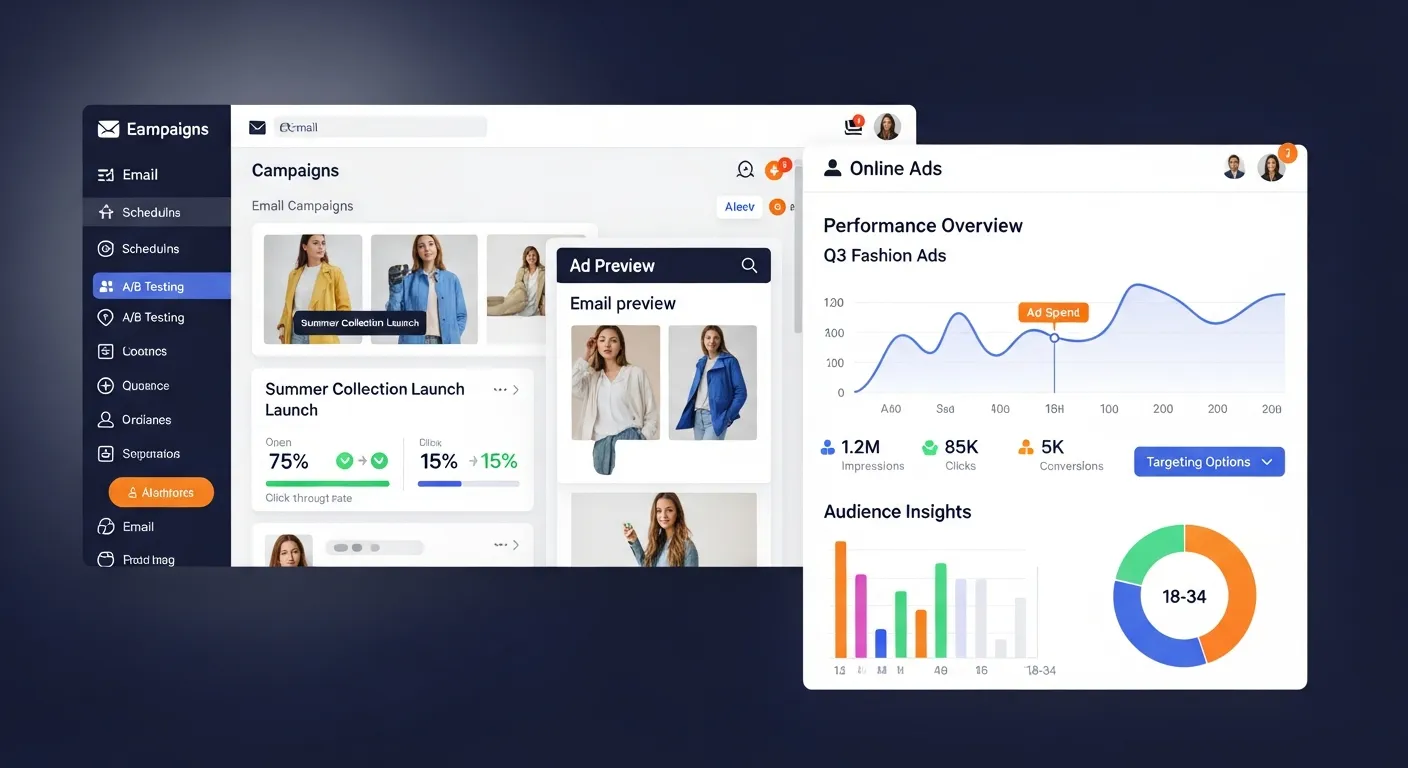
Email marketing allows you to nurture leads and build long-term loyalty. It remains one of the best website marketing strategies for consistent conversions.
Building an Email List for Lead Generation
Encourage website visitors to subscribe by offering valuable lead magnets, such as ebooks or exclusive discounts. Place prominent website forms in your header and footer.
Read more about lead generation to improve your funnel.
List-Building Tips
- Offer incentives: downloadable guides, checklists, or time-limited discounts.
- Optimize pop-up timing: user-friendly and not intrusive.
- Segment audiences: tailor follow-up content based on user interests and engagement.
Email Campaign Types
Send regular newsletters to keep your audience informed. Set up automated sequences, like abandoned cart reminders and welcome series, to engage users at critical moments in their journey. Personalized emails have significantly higher engagement rates.
Best Practices for Email Success
- A/B test subject lines for better open rates.
- Keep content concise but valuable: avoid overwhelming readers.
- Include strong CTAs: prompting users toward the next step.
Examples of High-Converting Emails
|
Type of Email |
Primary Goal |
Expected Result |
|---|---|---|
|
Welcome Sequence |
Onboard new leads |
Improved engagement |
|
Product Announcements |
Promote launches |
Spike in interest/sales |
|
Abandoned Cart |
Recover lost sales |
Higher conversion rates |
|
Customer Surveys |
Gather feedback, segment |
Better targeting |
Chapter 6: Paid Advertising (PPC)
Paid advertising accelerates your visibility and generates immediate Traffic Generation while your organic strategies build momentum. Leveraging paid ads is among the best website marketing strategies for driving scalable growth quickly.
Google Ads and Social Media Ads
Bid on relevant keywords to appear at the top of search results. Write compelling ad copy that matches the search intent. Ensure your landing pages are highly optimized for conversion. Platforms like Facebook and LinkedIn also offer robust advertising tools to target specific demographics.
PPC Strategy Tips
- Set clear objectives: traffic, conversions, or brand awareness.
- Monitor and optimize regularly: use analytics to track success.
- Test different ad creatives: images, headlines, and calls to action.
Retargeting and Remarketing
Implement retargeting ads to capture users who visited your site but didn’t convert. This group is warmer and more likely to engage, making retargeting a core tactic in the best website marketing strategies arsenal.
Comparing the Best Website Marketing Strategies
|
Strategy |
Primary Benefit |
Time to See Results |
Best For |
|---|---|---|---|
|
SEO |
Sustainable organic traffic |
3-6 Months |
Long-term growth |
|
Content Marketing |
Authority and trust building |
3-6 Months |
Educating audiences |
|
Email Marketing |
High conversion rates |
Immediate |
Nurturing leads |
|
PPC Advertising |
Instant targeted traffic |
Immediate |
Rapid sales |
Chapter 7: Analytics and Continuous Improvement
Data drives effective Growth Marketing. Guesswork leads to wasted budgets and missed opportunities. By tracking the best website marketing strategies, you can scale what works.
Setting Up Analytics
Install Google Analytics or an equivalent tracking tool on your website. Monitor key metrics, including overall traffic, traffic sources, bounce rate, and average session duration. Identify bottlenecks where visitors drop off and test different layouts to increase your conversion rate over time.
Advanced Analytics and Optimization
- Set up conversion tracking to attribute results.
- Use heatmaps to see how visitors interact with your pages.
- Conduct user surveys to gather qualitative feedback for continuous improvement.
The Path Forward: Combining and Adapting the Best Website Marketing Strategies
The most successful organizations use a blend of the best website marketing strategies, adapting them to changing trends and audience needs. No single approach works forever; remaining flexible, creative, and data-driven is the hallmark of a leader in digital growth.
Emphasize continual learning—whether it’s staying up to date on the latest SEO algorithm changes, experimenting with content formats, or refining your ad spend. Growth Marketing is a journey, and only those who evolve with it will achieve lasting success.
Frequently Asked Questions (FAQ)
What are the best website marketing strategies for beginners?
The best website marketing strategies for beginners include fixing technical SEO, publishing high-quality blog content, and building an email list. These foundational tactics provide a strong base without requiring massive advertising budgets. Focusing on user experience should always be your first priority.
How long does it take for SEO to show results?
SEO is a long-term Growth Marketing strategy that typically takes three to six months to show significant results. Search engines need time to crawl, index, and rank your newly optimized content. Consistency in publishing and acquiring backlinks will speed up this timeline.
Why is email marketing still considered effective?
Email marketing remains highly effective because you own your subscriber list, protecting you from algorithm changes on social media. It allows for direct, personalized communication with people who have already shown interest in your brand. This makes it a powerhouse for reliable Lead Generation.
Can affiliate marketing improve my website traffic?
Yes, partnering with affiliates can drive highly targeted traffic to your site while you only pay for successful conversions. It expands your reach by leveraging other creators’ audiences. Learn more about a successful SEO affiliate marketing strategy for better results.
How important is website speed for marketing?
Website speed is absolutely critical for both user experience and search engine rankings. If your site takes longer than three seconds to load, a massive percentage of users will abandon it. Improving speed is one of the best website marketing strategies you can implement today.
What role does content play in Online Branding?
Content gives your brand a unique voice and demonstrates your expertise to potential customers. High-quality articles and videos build trust, making visitors more likely to choose you over a competitor. Consistent content creation is essential for establishing authority in your niche.
How do I choose the right social media platforms?
Select platforms based on where your target audience spends their time. B2B companies typically perform best on LinkedIn, while visually driven consumer brands thrive on Instagram or Pinterest. Do not spread yourself too thin; master one or two platforms first.
What is Conversion Rate Optimization (CRO)?
CRO involves analyzing user behavior on your site and making incremental changes to increase the percentage of visitors who complete a desired action. This might include changing button colors, simplifying forms, or rewriting headlines. It maximizes the value of your existing Traffic Generation.
Are paid ads worth the investment for small businesses?
Paid ads provide immediate visibility and can be highly profitable if targeted correctly. Start with a small budget to test different ad creatives and audience segments. Once you find a profitable campaign, you can scale your spending safely.
How often should I update my marketing strategy?
You should review your analytics monthly and conduct a comprehensive strategy audit every quarter. Digital marketing trends shift rapidly, so staying flexible is key. Continuously refining your approach ensures you are always using the best website marketing strategies available.
By following these best website marketing strategies, you set your business up for increased Traffic Generation, improved Lead Generation, and the type of Online Branding that stands the test of time. Adjust your strategies as the industry evolves, doubling down on what works, and your website will become a true engine for growth and success.